
The global Shape Memory Alloys (SMA) Market is entering a period of unprecedented expansion, fueled by increasing demand for advanced materials capable of responding intelligently to environmental changes.
According to recent industry analysis, the market was valued at approximately USD 14.30 billion in 2025 and is expected to reach USD 45.92 billion by 2034, registering an impressive CAGR of 12.25% during the forecast period.
Shape Memory Alloys have emerged as one of the most innovative classes of smart materials due to their unique ability to return to a predetermined shape after deformation when exposed to specific thermal conditions. This remarkable property is creating new opportunities across healthcare, aerospace, automotive, robotics, electronics, and industrial manufacturing sectors.
Smart Materials Driving the Next Industrial Revolution
The global industrial landscape is increasingly embracing intelligent materials that can enhance performance, improve energy efficiency, and reduce maintenance costs. Shape Memory Alloys stand at the forefront of this transition, offering self-actuating and adaptive capabilities that conventional materials cannot match.
Request Sample PDF Report: https://www.quintilereports.com/request-sample/1050-shape-memory-alloys-market/
Industries worldwide are investing heavily in next-generation manufacturing technologies that require lightweight, durable, and responsive materials. As a result, Shape Memory Alloys are becoming indispensable in applications where precision, flexibility, and reliability are critical.
The market’s growth trajectory reflects the increasing recognition of these materials as strategic enablers of innovation. Manufacturers are integrating SMA technologies into advanced products ranging from medical implants and minimally invasive surgical tools to aerospace actuators and robotic systems.
Healthcare Sector Emerges as a Major Growth Catalyst
The healthcare industry continues to represent one of the most significant opportunities for Shape Memory Alloy manufacturers. Nickel-Titanium (NiTi) alloys, commonly known as Nitinol, have become essential materials for medical devices due to their biocompatibility, corrosion resistance, and superelastic properties.
Medical applications include:
- Cardiovascular stents
- Orthodontic wires
- Surgical instruments
- Guidewires
- Bone fixation devices
- Minimally invasive medical equipment
As healthcare systems worldwide prioritize advanced treatment methods and patient-centric care, demand for high-performance medical devices is expected to accelerate. The growing prevalence of chronic diseases and aging populations across developed and emerging economies further strengthens long-term market prospects.
Additionally, continuous advancements in medical technology are creating opportunities for new SMA-based products that improve treatment outcomes while reducing procedural complexity.
Aerospace and Defense Investments Fuel Adoption
The aerospace and defense sector is another major contributor to Shape Memory Alloy market growth. Modern aircraft and defense systems increasingly require lightweight materials capable of enhancing operational efficiency while reducing overall system weight.
Special Discount: https://www.quintilereports.com/request-discount/1050-shape-memory-alloys-market/
Shape Memory Alloys are being utilized in:
- Aircraft wing components
- Adaptive engine systems
- Satellite deployment mechanisms
- Vibration control systems
- Military actuators
- Smart structural components
Their ability to function reliably under extreme environmental conditions makes them particularly attractive for aerospace applications. Governments and private aerospace companies are investing heavily in advanced materials research to improve fuel efficiency and operational performance, creating sustained demand for SMA solutions.
Automotive Industry Accelerates Smart Material Integration
The automotive sector is rapidly adopting Shape Memory Alloys as manufacturers pursue lighter, safer, and more efficient vehicle designs. Electric vehicle development, autonomous driving technologies, and smart mobility initiatives are further increasing the relevance of advanced materials.
Automotive applications include:
- Adaptive ventilation systems
- Smart actuators
- Temperature-sensitive controls
- Safety systems
- Engine management components
- Advanced sensor technologies
As vehicle manufacturers strive to reduce weight and improve energy efficiency, Shape Memory Alloys offer compelling advantages over traditional mechanical systems. Their ability to simplify component design while maintaining performance aligns perfectly with the automotive industry’s innovation objectives.
Robotics and Automation Creating New Opportunities
The rise of Industry 4.0 and intelligent manufacturing is generating substantial demand for advanced materials capable of enabling precise movement and control. Shape Memory Alloys are increasingly being integrated into robotic systems and automation equipment due to their compact size, energy efficiency, and responsiveness.
Applications include:
- Industrial robots
- Collaborative robots (cobots)
- Precision actuators
- Smart sensors
- Automated manufacturing equipment
- Adaptive control mechanisms
As factories become increasingly automated, the need for intelligent materials capable of supporting flexible production systems is expected to expand significantly.
Nickel-Titanium Alloys Continue Market Dominance
Among material categories, Nickel-Titanium (NiTi) alloys continue to dominate the global market. Their superior shape memory characteristics, biocompatibility, corrosion resistance, and fatigue performance make them the preferred choice across numerous industries.
However, alternative materials such as copper-based alloys and iron-based alloys are also gaining traction, particularly in cost-sensitive industrial applications. Ongoing research efforts are focused on improving the performance characteristics of these materials while reducing manufacturing costs.
The development of new alloy compositions is expected to broaden application possibilities and create additional revenue streams for market participants.
Regional Markets Showcase Diverse Growth Dynamics
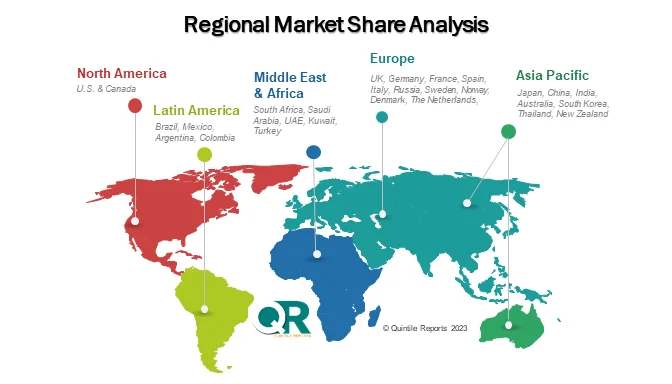
North America remains a leading market due to its strong aerospace, healthcare, and advanced manufacturing industries. The presence of major technology developers and research institutions continues to support innovation and commercialization efforts.
Europe follows closely, benefiting from extensive investments in industrial automation, automotive engineering, and medical technologies. Countries such as Germany, France, and the United Kingdom are playing significant roles in market expansion.
Meanwhile, the Asia-Pacific region is expected to witness the fastest growth throughout the forecast period. Rapid industrialization, increasing healthcare expenditures, expanding electronics manufacturing, and growing investments in robotics are driving adoption across China, Japan, India, South Korea, and other regional economies.
Emerging markets in Latin America and the Middle East & Africa are also creating new opportunities as industrial modernization initiatives gain momentum.
Buying Now: https://www.quintilereports.com/request-enquiry/1050-shape-memory-alloys-market/
Competitive Landscape Focused on Innovation
The competitive environment remains dynamic, with leading companies prioritizing research and development, strategic partnerships, and technological advancements to strengthen market positions.
Major industry participants include:
- ATI (Allegheny Technologies Incorporated)
- Baoji Seabird Metal Material Co., Ltd.
- Dynalloy, Inc.
- Fort Wayne Metals Research Products Corp.
- Furukawa Electric Co., Ltd.
- Johnson Matthey
- Mishra Dhatu Nigam Limited (MIDHANI)
- Nippon Seisen Co., Ltd.
- Nippon Steel Corporation
- SAES Group
These organizations continue to invest in product innovation and manufacturing capabilities to address evolving customer requirements and capitalize on emerging opportunities.
Future Outlook
The future of the Shape Memory Alloys Market appears exceptionally promising as industries increasingly prioritize intelligent materials capable of delivering enhanced functionality and operational efficiency. Advances in additive manufacturing, smart healthcare technologies, aerospace engineering, and robotics are expected to further accelerate adoption.
As research unlocks new applications and improves material performance, Shape Memory Alloys are likely to become integral components of next-generation technologies. Organizations that successfully innovate and align their strategies with emerging industry trends will be well-positioned to benefit from the market’s sustained growth trajectory.
With strong momentum across multiple end-use sectors, Shape Memory Alloys are set to play a critical role in shaping the future of advanced manufacturing and smart material innovation over the coming decade.
1. What are Shape Memory Alloys?
Shape Memory Alloys are smart metallic materials that can return to their original shape after deformation when exposed to specific temperatures or stimuli.
2. What is driving growth in the Shape Memory Alloys Market?
Growth is primarily driven by increasing demand from healthcare, aerospace, automotive, robotics, and advanced manufacturing industries.
3. Which material segment dominates the market?
Nickel-Titanium (NiTi) alloys currently dominate due to their superior shape memory effect, biocompatibility, and corrosion resistance.
4. How large is the Shape Memory Alloys Market expected to become?
The market is projected to grow from USD 14.30 billion in 2025 to USD 45.92 billion by 2034.
5. What is the forecast CAGR for the market?
The market is anticipated to expand at a CAGR of 12.25% between 2025 and 2034.
6. Which industries use Shape Memory Alloys the most?
Healthcare, aerospace, automotive, electronics, industrial manufacturing, and robotics are among the leading users.
7. Why are Shape Memory Alloys important in medical devices?
They provide flexibility, durability, and biocompatibility, making them ideal for stents, guidewires, and minimally invasive surgical tools.
8. Which region is expected to grow fastest?
Asia-Pacific is expected to experience the fastest growth due to industrialization, healthcare investments, and manufacturing expansion.
Our Latest Publication
Shape Memory Alloys Market (2026 – 2035)
Sandblasting PPE Market to Reach USD 4.72 Billion by 2035 Amid Rising Industrial Safety Demands

Adarsh
Business Strategy — Quintile Reports
Adarsh is a Business Strategy professional focused on transforming market insights into actionable growth plans. He supports strategic initiatives through market analysis, competitive intelligence, and data-driven decision-making to help drive long-term business success.
His core skills include strategic planning, market research, growth opportunity assessment, trend analysis, performance tracking, stakeholder communication, cross-functional collaboration, and critical problem-solving.