
The global construction industry is undergoing a major transformation, and at the center of this shift is the growing adoption of multifunctional construction equipment. Among these innovations, self-loading concrete mixers (SLCMs) are emerging as a game-changing solution, combining efficiency, mobility, and automation in a single machine.
According to the latest market analysis, the global self-loading concrete mixer market, valued at USD 12.46 billion in 2025, is projected to reach USD 24.18 billion by 2035, growing at a steady CAGR of 8.48% during the forecast period.
This growth highlights the increasing demand for cost-effective, mobile, and labor-efficient construction solutions, especially in emerging economies and infrastructure-driven regions.
Download Free Sample PDF of the Report: https://www.quintilereports.com/request-sample/1233-self-loading-concrete-mixer-market/
🚜 What Makes Self-Loading Concrete Mixers Essential?
Self-loading concrete mixers are not just construction machines—they are all-in-one solutions that combine the functionalities of:
- Loader
- Concrete mixer
- Transport vehicle
These machines can load raw materials, mix concrete, transport it, and discharge it on-site, eliminating the need for multiple pieces of equipment or separate batching plants.
Modern SLCMs come equipped with advanced features such as:
- 360-degree rotating drums
- Automatic water dosing systems
- Onboard digital weighing systems
- Ergonomic operator cabins with joystick controls
Get Discount On The Purchase Of This Report: https://www.quintilereports.com/request-discount/1233-self-loading-concrete-mixer-market/
This integration significantly enhances productivity, consistency, and operational efficiency on construction sites.
📈 Market Drivers: Fueling Growth Across Construction Sectors
1. Rising Infrastructure Development
Governments worldwide are investing heavily in infrastructure projects such as:
- Smart cities
- Roads and highways
- Industrial zones
- Irrigation systems
These projects require quick, reliable, and mobile concrete solutions, making SLCMs highly attractive.
2. Labor Shortages and Cost Pressures
The construction industry is facing a growing shortage of skilled labor. Self-loading mixers address this challenge by:
- Reducing workforce requirements
- Allowing single-operator functionality
- Lowering overall labor costs
This makes them particularly valuable in regions with high labor costs or limited skilled manpower.
Buying Now Report: https://www.quintilereports.com/request-enquiry/1233-self-loading-concrete-mixer-market/
3. Growth in Rural and Remote Construction
In areas where traditional batching plants are impractical, SLCMs provide:
- On-site concrete production
- Reduced dependency on external suppliers
- Flexibility in difficult terrains
This is especially important in rural infrastructure and remote development projects.
4. Technological Advancements
Modern SLCMs are becoming smarter with features like:
- GPS tracking and telematics
- Automated batching systems
- IoT-enabled diagnostics
- Hybrid and electric power options
These innovations improve precision, sustainability, and ease of operation, driving further adoption.
⚠️ Challenges Impacting Market Expansion
Despite strong growth potential, the market faces several constraints:
High Initial Investment
Self-loading mixers are sophisticated machines with integrated systems, leading to higher upfront costs, which can deter small contractors.
Maintenance and Service Limitations
Regular maintenance is essential due to complex mechanical and hydraulic components. In remote regions, lack of:
- Spare parts
- Skilled technicians
can lead to operational delays.
Operator Skill Requirements
Although designed for efficiency, SLCMs still require trained operators to ensure:
- Proper concrete mix quality
- Safe machine operation
Training costs can add to overall expenses.
Limited Suitability for Large Projects
While ideal for small to medium-scale projects, SLCMs may not be suitable for:
- High-volume concrete requirements
- Large infrastructure projects
where traditional batching plants offer higher output.
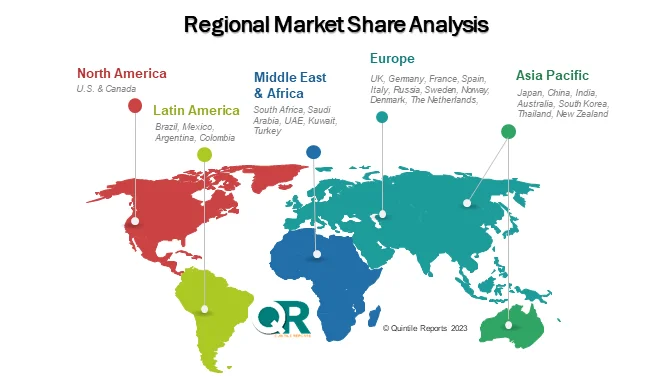
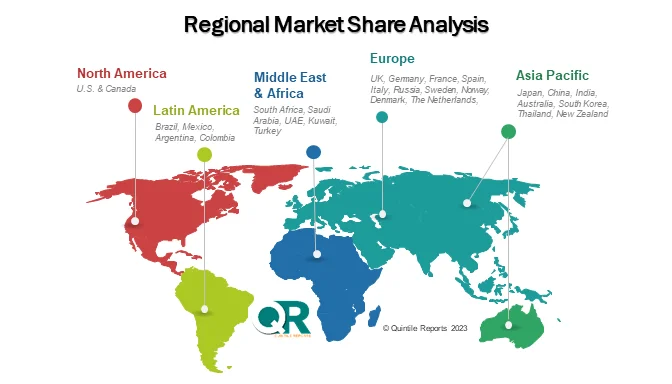
🌍 Regional Insights: Global Adoption Trends
North America: Steady Adoption
In the U.S. and Canada, SLCMs are gaining popularity in:
- Rural construction
- Bridge repairs
- Multi-site operations
Contractors value their mobility and efficiency, particularly in remote locations.
Europe: Sustainability-Driven Growth
European countries are focusing on:
- Eco-friendly construction equipment
- Hybrid and electric mixers
- Compliance with strict environmental regulations
Germany, France, and Italy are leading in advanced, low-emission SLCM adoption.
Asia-Pacific: Fastest Growing Market
Asia-Pacific dominates the global market due to:
- Rapid urbanization
- Government infrastructure spending
- Expanding construction activities
Countries like India and China are heavily investing in smart cities and rural development, driving massive demand.
Latin America & MEA: Emerging Opportunities
In regions like Latin America and the Middle East & Africa, SLCMs are increasingly used for:
- Infrastructure development
- Mining operations
- Rural construction projects
Their flexibility and cost-effectiveness make them ideal for diverse terrains.
🏢 Competitive Landscape: Innovation as a Differentiator
The self-loading concrete mixer market is highly competitive, with manufacturers focusing on:
- Enhanced loading efficiency
- Automated mixing processes
- Telematics and real-time monitoring
- Modular and customizable designs
Companies are also integrating smart technologies to improve machine performance and reduce downtime.
Key players are emphasizing:
- Product innovation
- Strategic partnerships
- Expansion into emerging markets
to strengthen their market position.
🔄 Emerging Trends Shaping the Market
Several key trends are expected to define the future of the SLCM market:
1. IoT and Smart Construction Integration
Connected machines allow real-time monitoring, predictive maintenance, and improved project management.
2. Hybrid and Electric Mixers
Sustainability is driving demand for low-emission and fuel-efficient equipment.
3. Rental and Leasing Models
Contractors are increasingly opting for equipment rental services, reducing capital expenditure.
4. Compact and Modular Designs
Manufacturers are focusing on space-efficient, customizable machines suitable for urban projects.
🔮 Future Outlook: Building Smarter, Faster, Better
The self-loading concrete mixer market is set to play a crucial role in the future of construction. As the industry shifts toward:
- Automation
- Sustainability
- Efficiency
SLCMs will become indispensable tools for contractors worldwide.
Companies that invest in innovation, digital integration, and customer-centric solutions will gain a competitive edge in this evolving market landscape.
❓ FAQs for Key Opinion Leaders (KOLs)
1. What is driving the growth of the self-loading concrete mixer market?
Increasing infrastructure projects, labor shortages, and demand for mobile concrete solutions are key drivers.
2. What are the main advantages of self-loading concrete mixers?
They combine loading, mixing, transporting, and discharging in one machine, reducing labor and costs.
3. Which regions are leading market growth?
Asia-Pacific leads due to rapid urbanization, followed by North America and Europe.
4. What challenges do manufacturers face?
High initial costs, maintenance requirements, and limited adoption in large-scale projects.
5. How is technology impacting the market?
IoT, automation, and hybrid engines are improving efficiency, precision, and sustainability.
6. Are self-loading mixers suitable for all construction projects?
They are ideal for small to medium projects but less efficient for large-scale, high-volume construction.
7. What is the role of rental services in this market?
Rental models are making SLCMs more accessible to small contractors and reducing upfront investment.
8. What trends will shape the future of this market?
Smart construction, electrification, modular designs, and digital integration will drive future growth.
Our Latest Publication:
Self-Loading Concrete Mixer Market 2026-2036
Large Scale Bearing Market Set for Strong Growth as Renewable Energy and Heavy Industry Expand

Adarsh
Business Strategy — Quintile Reports
Adarsh is a Business Strategy professional focused on transforming market insights into actionable growth plans. He supports strategic initiatives through market analysis, competitive intelligence, and data-driven decision-making to help drive long-term business success.
His core skills include strategic planning, market research, growth opportunity assessment, trend analysis, performance tracking, stakeholder communication, cross-functional collaboration, and critical problem-solving.