
The global recreational vehicles (RV) market is entering a period of sustained expansion as consumers increasingly prioritize outdoor experiences, flexible travel options, and mobile lifestyles.
According to recent market research, the Global Recreational Vehicles Market was valued at approximately USD 43.74 billion in 2023 and is projected to reach USD 65.82 billion by 2034, registering a compound annual growth rate (CAGR) of 3.914% during the forecast period.
The industry has evolved significantly over the past decade, transforming recreational vehicles from niche leisure products into versatile mobility solutions that cater to a wide range of consumers. From family vacations and adventure tourism to remote work lifestyles and long-term travel, RVs have become a preferred choice for individuals seeking convenience, independence, and comfort.
Request Sample PDF Report: https://www.quintilereports.com/request-sample/804-recreational-vehicles-market/
Rising Popularity of Outdoor and Experience-Based Travel
One of the most influential drivers behind the growth of the recreational vehicles market is the increasing demand for outdoor tourism and experience-based travel. Modern consumers are shifting their spending habits away from material possessions and toward memorable experiences. Recreational vehicles offer the flexibility to explore destinations while maintaining personalized accommodations and travel schedules.
The global tourism sector’s recovery following pandemic-related disruptions has further strengthened demand for RV travel. Many travelers continue to prefer self-contained transportation and lodging options, making RVs an attractive alternative to traditional travel methods.
National parks, camping destinations, scenic road routes, and adventure tourism hubs are witnessing increased visitor numbers, creating favorable conditions for RV ownership and rental services. The growing popularity of weekend getaways and road-trip culture is also encouraging consumers to invest in recreational vehicles.
Technological Innovation Reshaping the RV Industry
Technology is becoming a defining factor in the evolution of recreational vehicles. Manufacturers are introducing advanced features that improve safety, comfort, connectivity, and sustainability.
Modern RVs increasingly include:
- Smart home integration systems
- GPS-enabled navigation platforms
- Advanced driver assistance technologies
- Solar power installations
- Energy-efficient appliances
- Remote monitoring capabilities
- Enhanced entertainment systems
- Internet connectivity for remote work
These innovations are transforming recreational vehicles into highly functional mobile living spaces. The emergence of connected RV ecosystems allows owners to monitor vehicle performance, manage utilities, and control interior systems through mobile applications.
As digital technologies continue to advance, manufacturers are expected to integrate artificial intelligence, predictive maintenance systems, and autonomous driving capabilities into future RV models.
Sustainability Driving Product Development
Environmental awareness is influencing consumer preferences across the transportation industry, and recreational vehicles are no exception. Manufacturers are investing heavily in sustainable technologies to reduce emissions and improve fuel efficiency.
Electric and hybrid recreational vehicles are emerging as promising segments within the market. Although infrastructure challenges remain, growing investments in charging networks and battery technology are creating opportunities for cleaner mobility solutions.
In addition, manufacturers are adopting sustainable materials, lightweight construction methods, and renewable energy systems to align with evolving environmental regulations and consumer expectations.
Solar-powered systems, energy-efficient lighting, water conservation technologies, and recyclable interior materials are becoming increasingly common across new RV models.
Special Discount: https://www.quintilereports.com/request-discount/804-recreational-vehicles-market/
Towable RVs Continue to Dominate Market Demand
Among product categories, towable recreational vehicles remain one of the most popular segments due to their affordability and flexibility. These units provide consumers with the ability to detach living accommodations from their primary transportation vehicle, making them a practical option for many travelers.
Towable RVs appeal to first-time buyers and budget-conscious consumers because they generally require lower upfront investments than motorhomes. Their versatility also allows owners to use their towing vehicles independently once they arrive at a destination.
As camping and outdoor recreation activities continue to expand globally, demand for towable RVs is expected to remain strong throughout the forecast period.
Motorhomes Gain Popularity Among Premium Buyers
Motorhomes represent another significant segment of the recreational vehicles market. These fully integrated vehicles offer comprehensive living amenities, including kitchens, bathrooms, sleeping areas, and entertainment systems.
Premium consumers, retirees, digital nomads, and long-distance travelers increasingly favor motorhomes due to their convenience and comfort. Luxury motorhome manufacturers are responding with high-end designs that rival traditional residential living spaces.
Features such as smart climate control, premium furnishings, advanced safety systems, and luxury interiors are attracting affluent buyers seeking upscale travel experiences.
The growth of remote work and flexible employment arrangements has further expanded the customer base for motorhomes, enabling professionals to combine work and travel more effectively.
Changing Consumer Demographics Create New Opportunities
Historically associated with retirees, recreational vehicles are now attracting younger generations. Millennials and Generation Z consumers are demonstrating growing interest in road travel, outdoor recreation, and adventure tourism.
Several factors are contributing to this shift:
- Increased flexibility in work arrangements
- Growing popularity of van life culture
- Interest in sustainable travel experiences
- Rising demand for affordable vacation alternatives
- Greater social media influence on travel trends
Younger consumers often seek compact, technology-enabled, and environmentally friendly RV solutions. Manufacturers are adapting product portfolios to meet these evolving preferences while maintaining appeal among traditional customer segments.
This diversification of the customer base is expected to support long-term market expansion and innovation.
Rental Platforms Expand Accessibility
The emergence of RV rental platforms is significantly broadening market accessibility. Many consumers who are interested in recreational vehicle experiences are reluctant to commit to ownership due to purchase costs, maintenance requirements, or limited usage frequency.
Peer-to-peer rental services and commercial RV rental providers allow travelers to enjoy RV vacations without making substantial investments. These platforms are introducing new consumers to recreational vehicle travel while creating additional revenue opportunities for owners.
The rental segment also serves as an important entry point for future buyers, many of whom transition to ownership after positive rental experiences.
As digital booking platforms continue to improve user experiences, RV rentals are expected to contribute substantially to overall market growth.
Regional Outlook
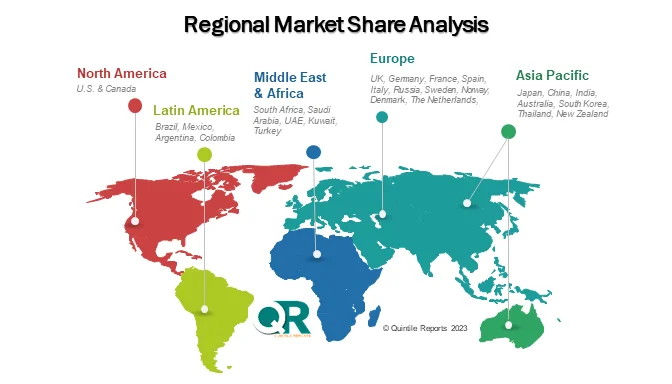
North America Maintains Market Leadership
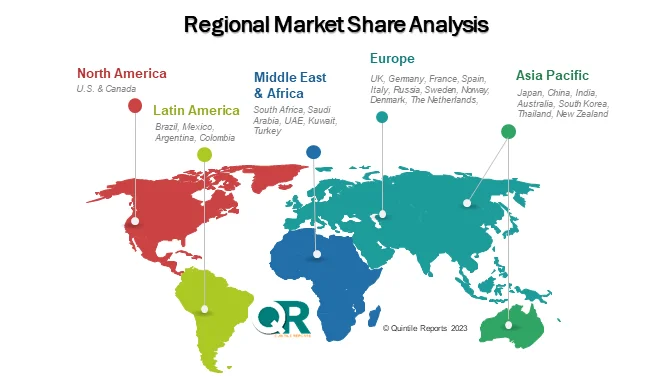
North America continues to dominate the global recreational vehicles market due to strong consumer demand, established camping infrastructure, and a well-developed RV culture.
The United States remains one of the world’s largest RV markets, supported by extensive highway networks, campground facilities, and outdoor recreation opportunities. High disposable income levels and widespread adoption of road-trip travel further strengthen regional demand.
Europe Shows Consistent Growth
European countries are witnessing increasing interest in caravan holidays, camping tourism, and cross-border road travel. Markets such as Germany, France, Italy, and the United Kingdom continue to experience steady demand for recreational vehicles.
Growing investments in eco-friendly tourism and sustainable mobility solutions are expected to support long-term growth across Europe.
Buying Now: https://www.quintilereports.com/request-enquiry/804-recreational-vehicles-market/
Asia-Pacific Emerges as a High-Growth Region
The Asia-Pacific region is gradually becoming a significant growth market for recreational vehicles. Rising disposable incomes, expanding middle-class populations, and increasing interest in domestic tourism are contributing to demand growth.
Countries including China, India, Japan, South Korea, and Australia are investing in tourism infrastructure that supports RV travel and camping activities.
As awareness increases and supporting infrastructure develops, Asia-Pacific is expected to offer substantial opportunities for manufacturers and service providers.
Competitive Landscape
The recreational vehicles market remains highly competitive, with leading manufacturers focusing on innovation, product diversification, strategic partnerships, and geographic expansion.
Major industry participants include:
- Thor Industries
- Winnebago Industries
- Forest River
- Jayco
- Coachmen RV
- Fleetwood RV
- Trigano
- Hymer
- Swift Group
- Palomino RV
- K-Z RV
- Heartland Recreational Vehicles
- ADRIA MOBIL
- Triple E Recreational Vehicles
Companies are increasingly investing in research and development to enhance product performance, improve sustainability, and address changing consumer preferences.
Mergers, acquisitions, and strategic collaborations are expected to remain important growth strategies as manufacturers seek to strengthen market positions and expand global footprints.
Future Outlook
The future of the recreational vehicles market appears highly promising. As consumers continue to embrace outdoor recreation, flexible travel, and mobile lifestyles, demand for innovative RV solutions is expected to remain strong.
Technological advancements, sustainability initiatives, expanding rental ecosystems, and growing participation from younger consumers will continue shaping the industry’s evolution over the coming decade.
Manufacturers that successfully integrate smart technologies, environmentally responsible solutions, and customer-centric designs are likely to emerge as market leaders in an increasingly competitive landscape.
With robust growth projections extending through 2034, the recreational vehicles market is positioned to play a pivotal role in the future of global travel, tourism, and mobile living.
1. What is driving the growth of the recreational vehicles market?
Growth is primarily driven by increasing outdoor tourism, rising interest in road travel, technological innovation, flexible work arrangements, and growing demand for personalized travel experiences.
2. What is the projected market size by 2034?
The global recreational vehicles market is projected to reach approximately USD 65.82 billion by 2034.
3. Which product segment dominates the market?
Towable RVs currently represent a significant market segment due to affordability, flexibility, and lower ownership costs.
4. How is sustainability influencing RV development?
Manufacturers are introducing electric and hybrid RVs, solar-powered systems, lightweight materials, and energy-efficient technologies to reduce environmental impact.
5. What role does technology play in modern recreational vehicles?
Technology enhances safety, connectivity, convenience, and operational efficiency through smart controls, GPS systems, mobile applications, and advanced driver assistance features.
6. Which regions offer the strongest growth opportunities?
North America remains the largest market, while Asia-Pacific is emerging as a high-growth region driven by rising tourism and expanding middle-class populations.
7. How are rental platforms impacting the market?
RV rental platforms increase accessibility, attract first-time users, and help convert renters into future RV owners.
8. Who are the major companies operating in the market?
Key players include Thor Industries, Winnebago Industries, Forest River, Jayco, Trigano, Hymer, Coachmen RV, and Fleetwood RV.
Our Latest Publication:
Recreational Vehicles Market (2026 – 2035)
Mechanical Power Transmission Market Set for Sustained Growth as Automation, Electrification, and Smart Manufacturing Reshape Industrial Operations

Adarsh
Business Strategy — Quintile Reports
Adarsh is a Business Strategy professional focused on transforming market insights into actionable growth plans. He supports strategic initiatives through market analysis, competitive intelligence, and data-driven decision-making to help drive long-term business success.
His core skills include strategic planning, market research, growth opportunity assessment, trend analysis, performance tracking, stakeholder communication, cross-functional collaboration, and critical problem-solving.