
The global healthcare ecosystem is rapidly transforming through digital innovation, and one of the most influential technologies driving this change is the Internet of Things (IoT). From wearable glucose
monitors and remote cardiac sensors to smart hospital infrastructure and AI-enabled diagnostics, IoT sensors are redefining the way healthcare providers monitor, diagnose, and manage patient care. According to recent market intelligence, the global IoT Sensors in Healthcare Market was valued at USD 54.25 billion in 2025 and is expected to reach USD 199.29 billion by 2034, expanding at an impressive CAGR of 23.86% during the forecast period.
The rapid integration of connected medical devices into healthcare systems is enabling real-time patient monitoring, predictive diagnostics, and enhanced operational efficiency. Healthcare institutions worldwide are embracing IoT-based technologies to improve clinical outcomes, reduce hospital readmissions, and strengthen personalized care delivery. As healthcare systems continue to digitize, IoT sensors are becoming the foundation of next-generation smart healthcare infrastructure.
Growing Demand for Remote Patient Monitoring Drives Market Momentum
One of the strongest catalysts behind the IoT sensors in healthcare market is the growing adoption of remote patient monitoring systems. The rise in chronic diseases such as diabetes, cardiovascular disorders, respiratory illnesses, and hypertension has significantly increased the need for continuous patient monitoring outside traditional hospital settings.
IoT-enabled wearable devices equipped with temperature sensors, blood oxygen sensors, heart rate sensors, and pressure sensors are allowing physicians to track patient vitals in real time. These connected devices improve patient engagement while reducing the burden on healthcare facilities.
The expansion of telemedicine and home healthcare services following the pandemic has further accelerated demand for connected healthcare devices. Patients increasingly prefer home-based monitoring solutions that provide convenience, early disease detection, and continuous communication with healthcare professionals.
Request Sample PDF Report: https://www.quintilereports.com/request-sample/940-iot-sensors-in-healthcare-market/
Wearable Medical Devices Transform Preventive Healthcare
The growing popularity of wearable health devices is reshaping preventive medicine. Smartwatches, fitness trackers, biosensors, and connected patches are now capable of monitoring heart rate variability, oxygen saturation, glucose levels, sleep quality, and physical activity with high precision.
Manufacturers are investing heavily in advanced sensor technologies to improve accuracy, battery efficiency, miniaturization, and wireless connectivity. Accelerometers, gyroscopes, and electrochemical sensors are playing a major role in enabling motion tracking, rehabilitation monitoring, and chronic disease management applications.
Consumers are becoming more health-conscious and proactive in tracking their wellness metrics. This trend is encouraging healthcare providers and insurers to integrate wearable sensor data into preventive care programs and personalized treatment strategies.
Get Discount Now: https://www.quintilereports.com/request-discount/940-iot-sensors-in-healthcare-market/
Smart Hospitals and Digital Infrastructure Fuel Adoption
Healthcare facilities are increasingly adopting IoT sensor networks to improve workflow optimization, equipment tracking, patient safety, and operational efficiency. Smart hospitals use interconnected sensors to monitor patient movement, environmental conditions, medical equipment status, and resource utilization in real time.
IoT-enabled hospital ecosystems help reduce medical errors, streamline clinical operations, and improve decision-making through centralized data analytics platforms. Connected sensors also support predictive maintenance of critical medical devices, minimizing downtime and operational costs.
Governments and healthcare organizations worldwide are heavily investing in digital health infrastructure initiatives. The push toward smart hospitals, AI-powered diagnostics, and connected healthcare systems is expected to create substantial opportunities for IoT sensor manufacturers over the next decade.
AI and Data Analytics Enhance Sensor Intelligence
Artificial intelligence and advanced analytics are becoming essential components of IoT healthcare systems. Modern sensor platforms generate massive volumes of real-time health data that can be analyzed to identify disease patterns, predict health risks, and optimize treatment plans.
AI-powered sensor systems can automatically detect abnormalities in patient vitals and alert healthcare providers before conditions worsen. This capability is especially valuable in intensive care units, elderly care, and chronic disease management.
The convergence of AI, cloud computing, and IoT technologies is accelerating the evolution of predictive and precision healthcare. Companies that integrate intelligent analytics into sensor ecosystems are expected to gain a significant competitive advantage.
Connectivity Technologies Strengthen Healthcare Ecosystems
Reliable connectivity is critical for seamless healthcare monitoring and communication. Technologies such as Bluetooth, Wi-Fi, ZigBee, LoRaWAN, RFID, NFC, and 5G are enabling uninterrupted data transmission between medical devices, healthcare providers, and cloud platforms.
The rollout of 5G infrastructure is expected to significantly improve the speed, reliability, and scalability of IoT healthcare applications. Faster connectivity will support real-time diagnostics, remote surgeries, and large-scale deployment of connected medical devices.
Bluetooth-based wearable devices currently dominate consumer healthcare applications due to their convenience and energy efficiency. However, long-range technologies like LoRaWAN are gaining traction for remote healthcare monitoring in rural and underserved regions.
Buying Now: https://www.quintilereports.com/request-enquiry/940-iot-sensors-in-healthcare-market/
North America Leads Global Market Expansion
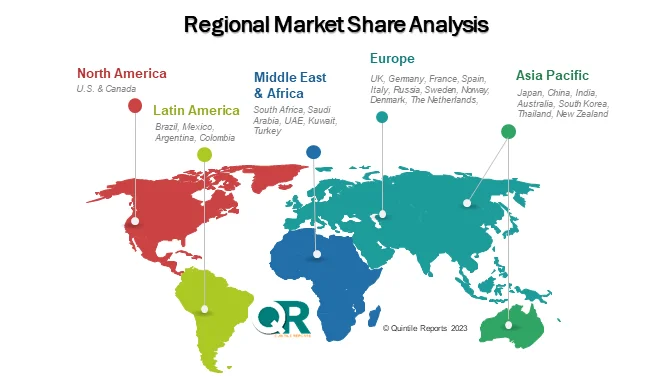
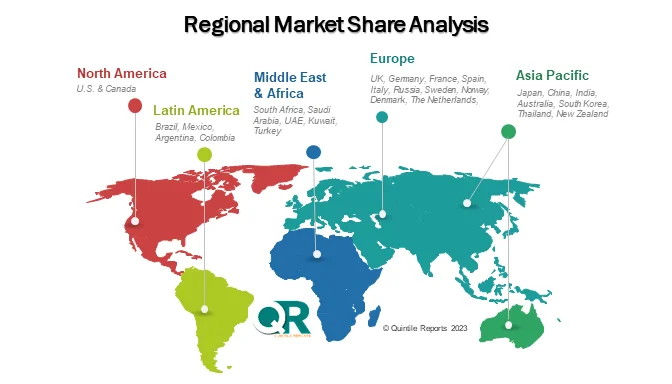
North America continues to dominate the global IoT sensors in healthcare market, supported by advanced healthcare infrastructure, strong digital health investments, and rapid adoption of connected medical technologies. The United States remains a global innovation hub for healthcare IoT solutions.
Leading companies including Medtronic plc, GE HealthCare Technologies Inc., Koninklijke Philips N.V., and Siemens Healthineers AG are actively investing in advanced sensor technologies and connected healthcare platforms.
Government support for telehealth, increasing healthcare digitization, and strong reimbursement frameworks are contributing to rapid market growth across the region.
Meanwhile, Asia-Pacific is emerging as the fastest-growing regional market due to expanding healthcare infrastructure, rising healthcare expenditure, and increasing adoption of smart medical devices in countries such as India, China, Japan, and South Korea.
Key Industry Challenges Remain
Despite promising growth prospects, the IoT sensors in healthcare market faces several challenges. Data privacy and cybersecurity concerns remain major barriers to widespread adoption. Healthcare IoT systems handle highly sensitive patient information, making them vulnerable to cyberattacks and unauthorized access.
Interoperability issues between connected devices and healthcare platforms also create integration complexities. Manufacturers and healthcare providers must ensure standardized communication protocols and regulatory compliance.
Additionally, high implementation costs and limited digital infrastructure in developing regions may slow adoption rates in certain markets. However, continuous technological advancements and supportive regulatory initiatives are expected to address many of these concerns over time.
Competitive Landscape Intensifies
The competitive landscape is characterized by rapid innovation, strategic collaborations, mergers, and product launches. Major players are focusing on AI-enabled sensing solutions, cloud integration, miniaturized sensors, and next-generation wearable technologies.
Companies such as Honeywell International Inc., Texas Instruments Incorporated, Abbott Laboratories, Dexcom, Inc., and NXP Semiconductors N.V. are expanding their healthcare IoT portfolios to capture growing demand.
Strategic partnerships between healthcare providers, technology firms, and semiconductor manufacturers are expected to accelerate innovation and commercialization across the industry.
Future Outlook: Connected Healthcare Becomes Mainstream
The future of healthcare is becoming increasingly connected, data-driven, and patient-centric. IoT sensors are expected to play a foundational role in enabling personalized medicine, preventive care, real-time diagnostics, and intelligent healthcare automation.
As healthcare systems worldwide continue to embrace digital transformation, demand for smart sensing technologies will expand significantly. Advances in AI, cloud computing, wireless communication, and biosensor miniaturization will further unlock new applications across clinical and homecare settings.
The IoT Sensors in Healthcare Market is positioned for sustained long-term growth as healthcare providers seek smarter, more efficient, and more accessible care delivery models. Companies that focus on innovation, cybersecurity, interoperability, and patient-centric solutions are likely to emerge as industry leaders in the coming decade.
Q1. What are IoT sensors in healthcare?
IoT sensors in healthcare are connected devices that collect, monitor, and transmit patient health data in real time. These sensors are used in wearable devices, hospital equipment, remote monitoring systems, and smart healthcare platforms to improve patient care and clinical efficiency.
Q2. What is the projected growth of the IoT Sensors in Healthcare Market?
The global IoT Sensors in Healthcare Market was valued at USD 54.25 billion in 2025 and is projected to reach USD 199.29 billion by 2034, growing at a CAGR of 23.86% during the forecast period.
Q3. What factors are driving market growth?
Major growth drivers include:
- Rising adoption of remote patient monitoring
- Increasing use of wearable healthcare devices
- Expansion of telemedicine services
- Growing demand for real-time health monitoring
- Advancements in AI, cloud computing, and wireless connectivity
- Smart hospital infrastructure development
Q4. Which sensor types are commonly used in healthcare IoT devices?
The most commonly used sensor types include:
- Temperature Sensors
- Pressure Sensors
- Blood Glucose Sensors
- Heart Rate Sensors
- Blood Oxygen Sensors
- Motion Sensors
- Accelerometers
- Gyroscopes
- Electrochemical Sensors
Q5. How are IoT sensors transforming patient monitoring?
IoT sensors enable continuous real-time monitoring of patient vitals, allowing healthcare providers to detect abnormalities early, reduce hospital visits, improve chronic disease management, and deliver personalized healthcare services remotely.
Q6. Why is remote patient monitoring becoming popular?
Remote patient monitoring offers convenience, reduces hospitalization costs, improves patient engagement, and allows healthcare professionals to track patients from home using connected devices and wearable sensors.
Q7. What role does AI play in healthcare IoT systems?
Artificial intelligence enhances healthcare IoT systems by analyzing large volumes of sensor-generated data, predicting health risks, detecting abnormalities, and supporting faster clinical decision-making.
Q8. Which connectivity technologies are used in healthcare IoT?
Common connectivity technologies include:
- Wi-Fi
- Bluetooth
- ZigBee
- LoRaWAN
- RFID
- NFC
- Cellular Networks (3G, 4G, 5G)
Q9. Which regions are leading the market?
North America currently leads the market due to strong healthcare infrastructure and digital health investments. Asia-Pacific is emerging as the fastest-growing region because of increasing healthcare modernization and adoption of connected devices.
Q10. What are the major challenges facing the market?
Key challenges include:
- Cybersecurity and data privacy concerns
- High deployment costs
- Device interoperability issues
- Regulatory compliance complexities
- Limited infrastructure in developing regions
Our Latest Publication:
Iot Sensors In Healthcare Market (2026 – 2035)
Laser Debonding Equipment Market Growth 2036 Driven by AI, Advanced Packaging & Semiconductors

Adarsh
Business Strategy — Quintile Reports
Adarsh is a Business Strategy professional focused on transforming market insights into actionable growth plans. He supports strategic initiatives through market analysis, competitive intelligence, and data-driven decision-making to help drive long-term business success.
His core skills include strategic planning, market research, growth opportunity assessment, trend analysis, performance tracking, stakeholder communication, cross-functional collaboration, and critical problem-solving.