
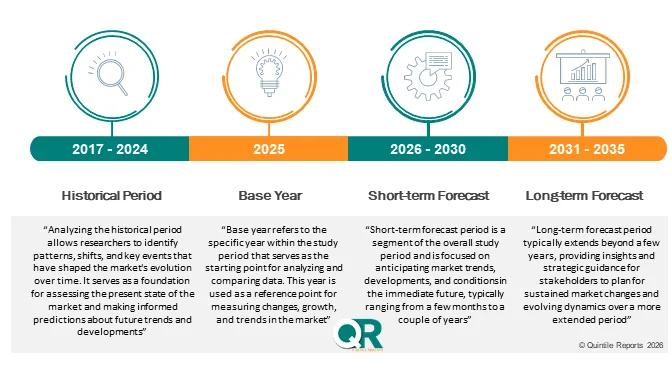
The global geothermal heat pumps (GHP) market is poised for substantial growth over the next decade, fueled by accelerating decarbonization efforts, supportive government incentives, and growing demand for energy-efficient building solutions.
Valued at USD 242.84 million in 2025, the market is projected to reach USD 828.36 million by 2035, expanding at a robust compound annual growth rate (CAGR) of 15.08% between 2026 and 2035.
Geothermal heat pumps, also known as ground-source heat pumps, leverage the earth’s stable underground temperatures to provide efficient heating, cooling, and in some cases, hot water for residential, commercial, and industrial buildings. By transferring heat to or from the ground through closed- or open-loop systems, these solutions offer significantly lower greenhouse gas emissions and operating costs compared to conventional HVAC technologies.
Request Sample PDF Report: https://www.quintilereports.com/request-sample/1229-geothermal-heat-pumps-market/
One of the primary drivers behind the market’s expansion is the rising global emphasis on energy efficiency and sustainable construction. Buildings account for a substantial share of global energy consumption and carbon emissions. As governments intensify climate action and promote green building standards, geothermal heat pumps are increasingly being adopted in both new construction and retrofit projects. Certifications such as LEED and BREEAM, along with stricter building energy codes, are encouraging property developers and facility owners to integrate renewable heating and cooling systems.
Special Discount: https://www.quintilereports.com/request-discount/1229-geothermal-heat-pumps-market/
Government policies and financial incentives are playing a pivotal role in accelerating adoption. In the United States, federal tax benefits under programs such as the Investment Tax Credit (ITC) and the Inflation Reduction Act have significantly reduced upfront installation costs. Several European nations are advancing renewable heating targets under the Renewable Energy Directive, while countries such as Germany are phasing out fossil fuel-based heating systems. In Asia-Pacific, nations including Japan and South Korea are offering subsidies and promoting net-zero energy building programs to boost geothermal deployment.
Technological advancements are further strengthening the market outlook. Innovations in variable-speed compressors, advanced drilling techniques, enhanced loop field designs, and integration with smart thermostats and building management systems have improved system efficiency and operational control. The integration of geothermal systems with solar photovoltaic (PV) installations and intelligent IoT-enabled monitoring platforms is transforming traditional HVAC infrastructure into smart, networked energy systems capable of real-time diagnostics and predictive maintenance.
Place Odear: https://www.quintilereports.com/request-enquiry/1229-geothermal-heat-pumps-market/
Despite strong growth prospects, the market faces certain challenges. High initial capital investment remains a key barrier, as geothermal systems typically require greater upfront expenditure compared to conventional heating and cooling technologies. Installation complexity, regulatory approvals for drilling, and a shortage of skilled technicians in some regions may also restrain faster adoption. Additionally, the payback period—often ranging from seven to fifteen years depending on local energy prices and climate conditions—can deter cost-sensitive consumers.
Regionally, North America leads in adoption, supported by strong policy frameworks and utility-led pilot projects. Europe remains a major innovation hub, driven by aggressive energy transition goals and stringent building regulations. Asia-Pacific is emerging as the fastest-growing region, propelled by rapid urbanization and government-backed sustainability initiatives. Meanwhile, Latin America and the Middle East & Africa are gradually expanding their geothermal footprint as part of broader energy diversification strategies.
Leading market participants such as ClimateMaster Inc., Bosch Thermotechnology, Trane Technologies plc, WaterFurnace International, Danfoss Group, Carrier Corporation, and Vaillant Group are focusing on product innovation, digital integration, and strategic partnerships to strengthen their competitive positions. Recent collaborations and product launches underscore the industry’s commitment to enhancing affordability, efficiency, and scalability.
As global momentum toward low-carbon infrastructure intensifies, geothermal heat pumps are expected to play a vital role in transforming the heating and cooling landscape. Companies that prioritize innovation, smart system integration, and alignment with evolving regulatory frameworks are well positioned to capitalize on the market’s long-term growth trajectory through 2035.
1. What is the projected growth rate of the global geothermal heat pumps market?
The global geothermal heat pumps market is expected to grow at a CAGR of 15.08% from 2026 to 2035. The market is projected to increase from USD 242.84 million in 2025 to USD 828.36 million by 2035, driven by rising demand for energy-efficient and low-carbon heating and cooling solutions.
2. What are geothermal heat pumps?
Geothermal heat pumps (GHPs), also known as ground-source heat pumps, are systems that utilize the earth’s stable underground temperature to provide heating, cooling, and sometimes hot water for buildings. They transfer heat through closed-loop or open-loop systems, offering higher efficiency and lower emissions compared to traditional HVAC systems.
3. What are the major drivers of the geothermal heat pumps market?
Key drivers include:
-
Growing demand for energy-efficient and sustainable building solutions
-
Government incentives, tax credits, and renewable energy policies
-
Rising awareness of climate change and decarbonization goals
-
Increasing adoption in green buildings and retrofit projects
-
Technological advancements such as smart integration and variable-speed compressors
4. What challenges does the geothermal heat pumps market face?
Despite strong growth potential, the market faces challenges such as:
-
High upfront installation costs
-
Complex permitting and drilling regulations
-
Limited availability of skilled installers in some regions
-
Long payback periods (typically 7–15 years depending on location and energy prices)
-
Low consumer awareness in emerging markets
5. Which regions are leading the geothermal heat pumps market?
-
North America leads due to strong federal incentives and decarbonization initiatives.
-
Europe is a key innovation hub, supported by aggressive renewable heating targets and energy transition policies.
-
Asia-Pacific is the fastest-growing region, driven by urbanization and government-backed net-zero building programs.
-
Latin America and the Middle East & Africa are emerging markets gradually adopting geothermal technologies for energy diversification.
6. What are the main system types in the geothermal heat pumps market?
The market is segmented by system type into:
-
Closed Loop Systems
-
Open Loop Systems
-
Hybrid Systems
-
Horizontal Loop
-
Vertical Loop
-
Pond/Lake Loop
Each system type is selected based on land availability, climate conditions, and project scale.
7. What technologies are included in the geothermal heat pumps market?
The primary technologies include:
-
Ground Source Heat Pumps (GSHP)
-
Water Source Heat Pumps (WSHP)
-
Direct Exchange Geothermal Heat Pumps
8. Who are the key players operating in the geothermal heat pumps market?
Major companies include:
-
ClimateMaster Inc.
-
WaterFurnace International, Inc.
-
Danfoss Group
-
Carrier Corporation
-
Vaillant Group
-
Viessmann Manufacturing Company Inc.
-
Stiebel Eltron GmbH & Co. KG
-
Enertech Global LLC, among others
9. How is smart technology influencing the geothermal heat pumps market?
Smart sensors, IoT-enabled monitoring, AI-driven analytics, and integration with building management systems are transforming geothermal heat pumps into intelligent systems. These technologies enable real-time performance tracking, predictive maintenance, and energy optimization, enhancing efficiency and long-term cost savings.
10. Why are governments supporting geothermal heat pump adoption?
Governments support GHPs because they:
-
Reduce carbon emissions
-
Improve energy efficiency in buildings
-
Lower dependence on fossil fuels
-
Support national decarbonization and climate targets
-
Strengthen energy security
Financial incentives, subsidies, and renewable heating mandates are accelerating market adoption globally.
Our Latest Publication
Geothermal Heat Pumps Market 2026-2035
Our Latest News:
Digital Respiratory Devices Market Set for Exponential Growth as Connected Care Redefines Respiratory Management

Adarsh
Business Strategy — Quintile Reports
Adarsh is a Business Strategy professional focused on transforming market insights into actionable growth plans. He supports strategic initiatives through market analysis, competitive intelligence, and data-driven decision-making to help drive long-term business success.
His core skills include strategic planning, market research, growth opportunity assessment, trend analysis, performance tracking, stakeholder communication, cross-functional collaboration, and critical problem-solving.