
Middle East Crisis Deepens as Missile Strikes, Naval Battles and Global Trade Disruptions Intensify
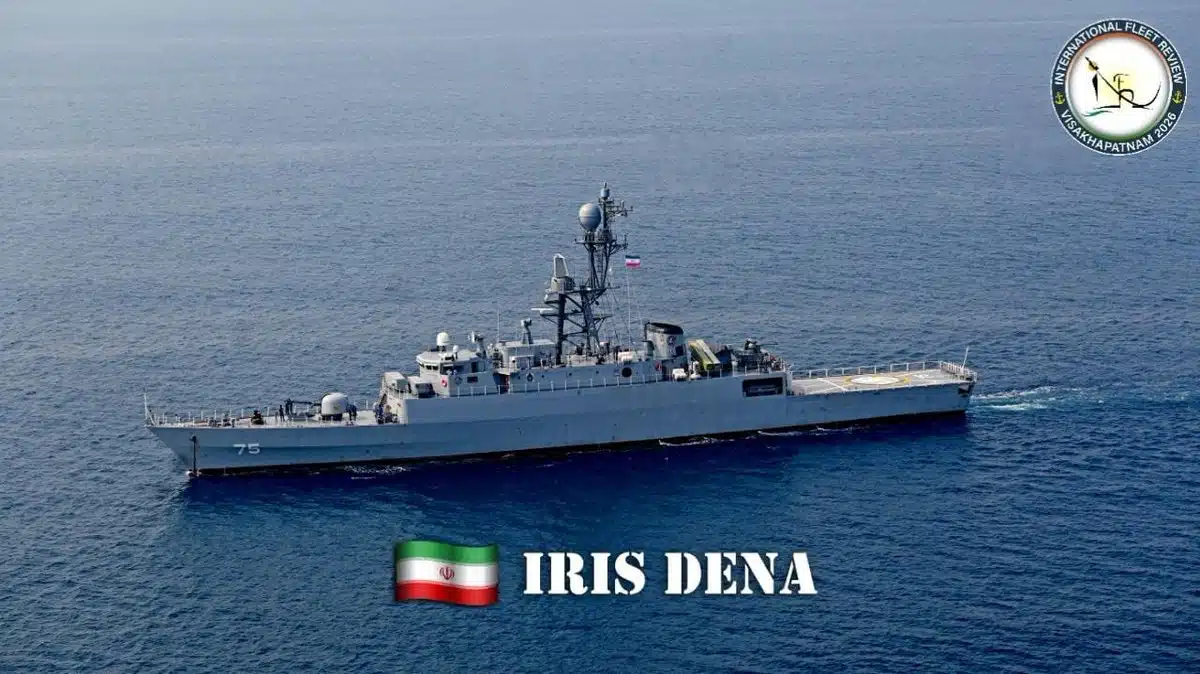
The escalating conflict involving the United States, Israel, and Iran has entered a dangerous new phase after a US submarine reportedly sank the Iranian naval warship IRIS Dena in the Indian Ocean, significantly intensifying an already volatile regional crisis.
Iran strongly condemned the attack, claiming the vessel was “struck without warning”, while accusing the United States of escalating military confrontation in international waters.
The widening conflict now includes missile exchanges, naval strikes, and cross-border attacks, raising fears of a broader war across the Middle East.

US-Israel-Iran War Live Updates: ‘Indian navy’s guest struck without warning’: Iran slams US after torpedo sinks warship IRIS Dena
US Submarine Sinks Iranian Warship IRIS Dena
According to military reports, a US submarine launched a torpedo strike that sank the Iranian destroyer IRIS Dena, marking one of the most dramatic naval escalations of the conflict.
Iran criticized the action, stating that the warship was targeted unexpectedly while operating in international waters. Tehran warned that the attack could trigger further retaliation and escalate maritime tensions in the region.
The incident highlights the growing role of naval operations in the ongoing war, especially around strategic shipping routes.
Missile Strikes Continue Between Iran and Israel
Meanwhile, hostilities between Iran and Israel continue to intensify.
Iran has launched fresh missile barrages targeting Israeli territory, while Israel has expanded its military campaign by striking Hezbollah positions in Lebanon.
The cross-border attacks have significantly increased regional instability, with analysts warning that multiple fronts are now emerging across the Middle East.
Rising Casualties and Humanitarian Crisis
The war has already caused significant human losses.
Reports indicate:
-
More than 1,000 people killed in Iran
-
Dozens of casualties in Israel and Lebanon
-
Tens of thousands of civilians fleeing Tehran
According to the United Nations, the continued bombardment of Iran’s capital is creating a rapidly worsening humanitarian situation.
Adding to the uncertainty, Iran is also facing internal political instability as discussions grow around potential successors to Supreme Leader Ayatollah Ali Khamenei.
US Political Support for Military Operations
In Washington, political developments suggest strong domestic support for continued US military action.
Senate Republicans recently blocked an effort to limit President Donald Trump’s war powers, allowing the administration to maintain flexibility in conducting operations against Iranian targets.
The White House has stated that deploying US ground troops is not currently part of the strategy, but officials have not ruled out additional military options if the conflict escalates further.
Global Oil Markets and Shipping Routes Disrupted
The growing conflict is also affecting global trade and energy markets.
Missile threats near the Strait of Hormuz, one of the world’s most critical oil shipping routes, have caused:
-
A sharp decline in tanker traffic
-
Rising global oil prices
-
Increased volatility in financial markets
Major international shipping companies have begun suspending routes through the region due to security risks, raising concerns about potential disruptions to global supply chains.
A Region on Edge
With missile attacks, naval warfare, and expanding regional involvement, the conflict between the United States, Israel, and Iran is rapidly becoming one of the most dangerous geopolitical crises in decades.
Diplomatic efforts remain limited as military operations continue to expand across multiple fronts.
Observers warn that further escalation could have significant consequences not only for the Middle East but also for global energy security and international stability.
For more Updates:
India Warns of Economic Impact as US-Iran Conflict Escalates in Middle East