

The global sesame oil market is set to witness robust growth through 2035, driven by rising health consciousness, expanding use in global cuisines, and increasing adoption across pharmaceuticals and personal care industries.
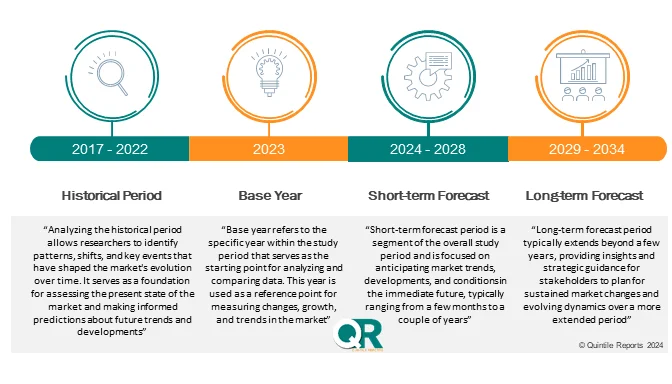
According to Quintile Research, the market was valued at USD 10.15 billion in 2025 and is projected to grow steadily through the forecast period from 2026 to 2035, supported by strong consumer preference for natural, functional, and traditionally rooted edible oils.
Sesame oil, extracted from one of the world’s oldest oilseed crops, holds a unique position in the global edible oil landscape. Predominantly produced in Asia and Africa—particularly in countries such as India, China, Myanmar, Sudan, and Ethiopia—sesame oil is widely recognized for its rich nutritional profile. It contains high levels of unsaturated fatty acids, vitamin E, and powerful lignans such as sesamin and sesamol, which provide antioxidant, anti-inflammatory, and antimicrobial benefits. These properties have expanded its applications well beyond cooking, making sesame oil a valued ingredient in nutraceuticals, pharmaceuticals, cosmetics, massage therapies, and traditional medicine systems such as Ayurveda.
Request Sample PDF Report: https://www.quintilereports.com/request-sample/1215-sesame-oil-market/
One of the primary drivers of market growth is the global shift toward healthier edible oils. Consumers are increasingly replacing refined and saturated fats with oils perceived as heart-friendly and natural. Sesame oil benefits from this trend due to its cholesterol-lowering properties and metabolic health benefits. In parallel, the globalization of Asian cuisine has significantly increased sesame oil consumption in Western markets. The rapid expansion of Asian restaurants, ready-to-eat meals, and home cooking inspired by Asian flavors has created sustained demand in North America and Europe.
Another major growth catalyst is the rising popularity of functional foods and dietary supplements. Compounds such as sesamin are increasingly incorporated into supplements aimed at managing inflammation, blood pressure, and oxidative stress. At the same time, the clean beauty and natural personal care movement has driven sesame oil adoption in skincare, haircare, and massage oils, where its nourishing and skin-protective qualities are highly valued. Premiumization is also shaping the market, with cold-pressed, organic, and single-origin sesame oils commanding higher prices and stronger brand loyalty.
Despite its strong outlook, the sesame oil market faces several challenges. Price volatility of sesame seeds remains a key concern, as production is highly sensitive to climatic conditions and limited mechanization in key producing regions. Year-on-year fluctuations in seed prices can significantly impact margins and supply stability. Additionally, sesame oil remains a niche product in many Western markets, accounting for a small share of overall edible oil consumption, which limits mass-market penetration. Regulatory hurdles also pose challenges, particularly after sesame was classified as a mandatory allergen in the United States, increasing compliance and labeling costs for manufacturers.
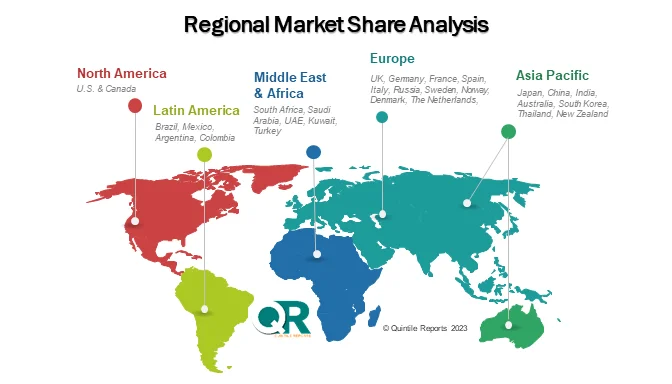
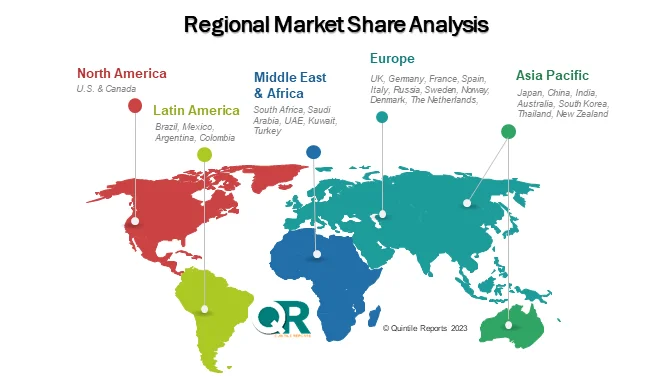
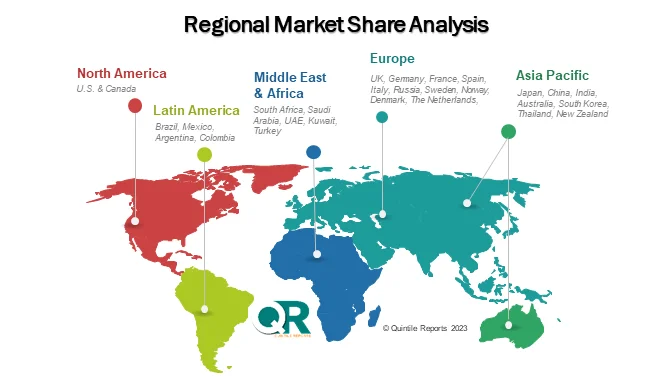
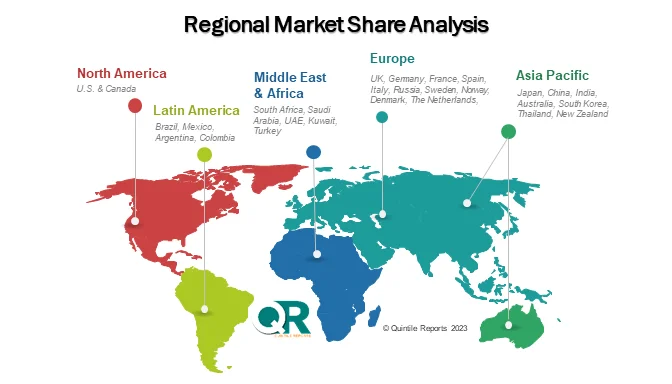
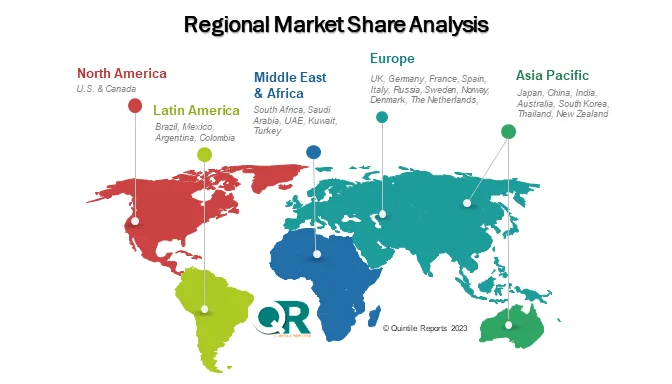
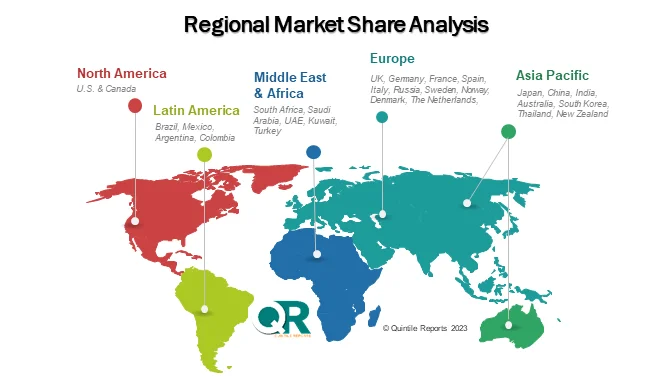
Regionally, Asia-Pacific dominates the global sesame oil market, accounting for more than 65% of total consumption due to deep cultural integration in cooking, medicine, and wellness practices. North America and Europe represent fast-growing but still emerging markets, driven by ethnic cuisine, organic food trends, and natural cosmetics. Meanwhile, Africa plays a crucial role as a production hub, although consumption remains uneven due to affordability and awareness gaps.
Country-level analysis highlights the United States as a growing opportunity market, supported by clean-label food trends and premium oil adoption, while Germany benefits from strong demand for organic and wellness-oriented products. Japan remains one of the most mature and stable markets globally, with high per-capita consumption and strong domestic brands emphasizing quality and tradition.
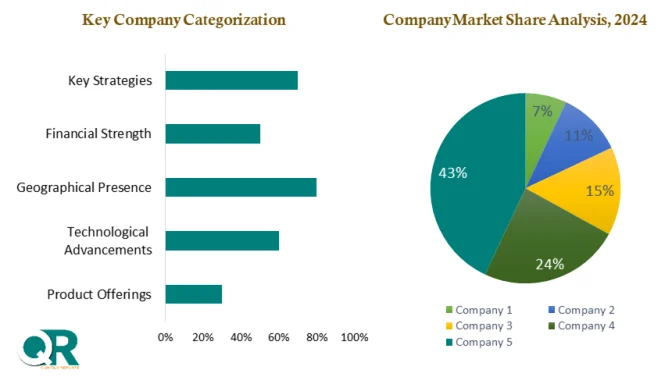
The competitive landscape of the sesame oil market is moderately fragmented, with players competing on seed origin, extraction method, flavor profile, and certification standards. Leading companies are focusing on cold-pressed and organic offerings, sustainable packaging, and differentiated branding to strengthen market positioning. Recent product launches by major FMCG players in India further underscore the growing consumer shift toward premium, minimally processed sesame oils.
Overall, the global sesame oil market is well-positioned for sustained growth through 2035. Companies that invest in innovation, supply chain resilience, premium positioning, and regulatory compliance are expected to gain a competitive edge as demand for natural, health-driven oils continues to rise worldwide.
Our Latest Publication
Sesame Oil Market Size, Share & Growth Trends 2026–2035 by Product Type (Virgin, Processed, Refined, Toasted/Roasted, Black, White, Cold-Pressed, Blended, Sesame Seed & Flavored), Application, Distribution Channel, Packaging & Region
Our Latest News:
The global ammunition market is undergoing a period of steady and strategic expansion, driven by rising defence expenditures, military modernization programs, and evolving security challenges across the world.

Adarsh
Business Strategy — Quintile Reports
Adarsh is a Business Strategy professional focused on transforming market insights into actionable growth plans. He supports strategic initiatives through market analysis, competitive intelligence, and data-driven decision-making to help drive long-term business success.
His core skills include strategic planning, market research, growth opportunity assessment, trend analysis, performance tracking, stakeholder communication, cross-functional collaboration, and critical problem-solving.