
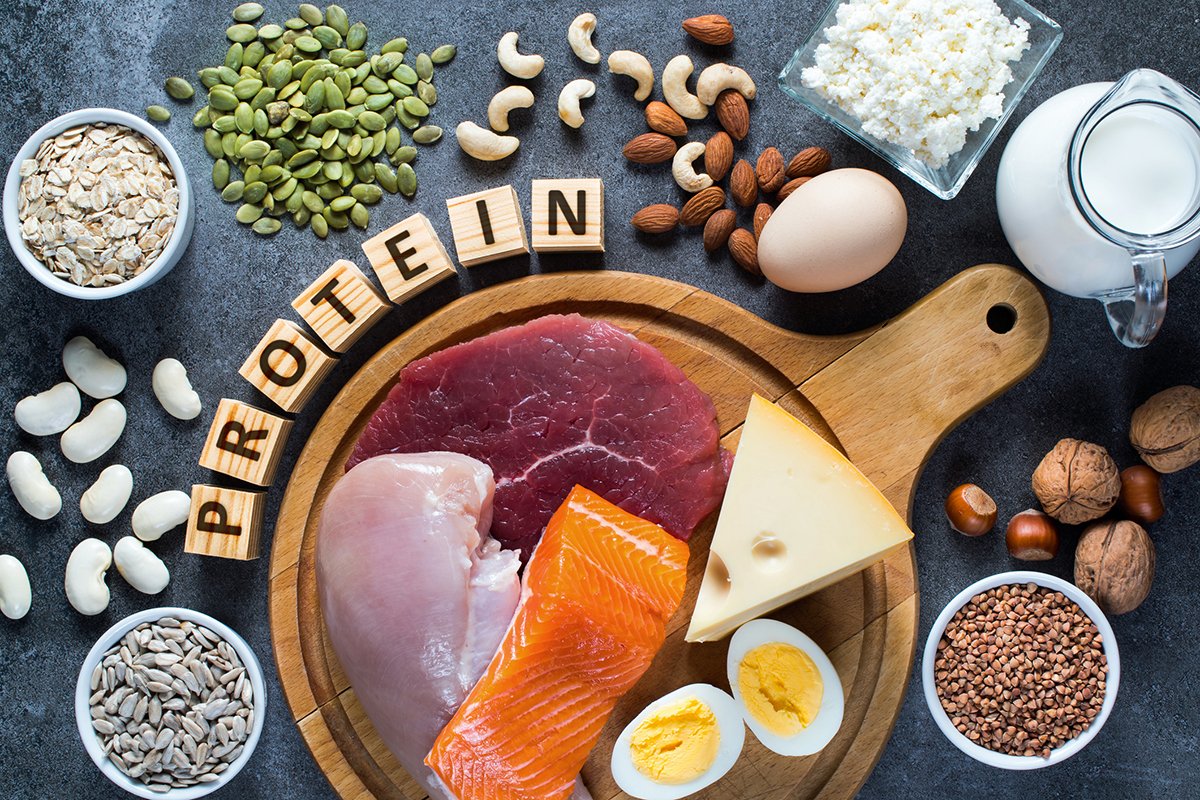
India, 09 January, 2026 :For decades, protein sat quietly in the background of nutrition science—important, but rarely sensational. Carbohydrates had their rise and fall, fats were alternately vilified and redeemed, and protein was largely assumed to be “good enough.” That changed dramatically in 2025, when protein became the star of the nutrition conversation—and arguably crossed the line from evidence-based guidance into overhyped spectacle.
Thirty years into protein metabolism research, few scientists expected to spend 2025 explaining a counterintuitive truth: more protein is not always better. Yet that is exactly where the discourse landed. Protein was suddenly promoted as a universal solution—for fat loss, longevity, hormone balance, menopause, GLP-1 drug users, athletes, and even sedentary individuals. The message was simple and seductive: if some protein is good, more must be better.
The problem is that the underlying science never changed. What changed was the volume of the messaging.
Protein’s real role—and its limits
Protein is undeniably essential. It supports muscle repair, function, and adaptation. But it does not work in isolation. A useful analogy is that protein does not “bake the cake”—exercise does. Protein is the icing. Once the cake is baked and iced properly, adding more icing does not fundamentally change the result. Biology, like baking, is full of plateaus.
Research consistently shows that increasing protein intake above deficiency levels in people who do not engage in resistance exercise results in trivial or nonexistent gains in lean mass. Muscle is built by mechanical stimulus—strength training—not by protein alone. Protein provides the building blocks, but without a construction crew, nothing gets built.
How much protein is enough?
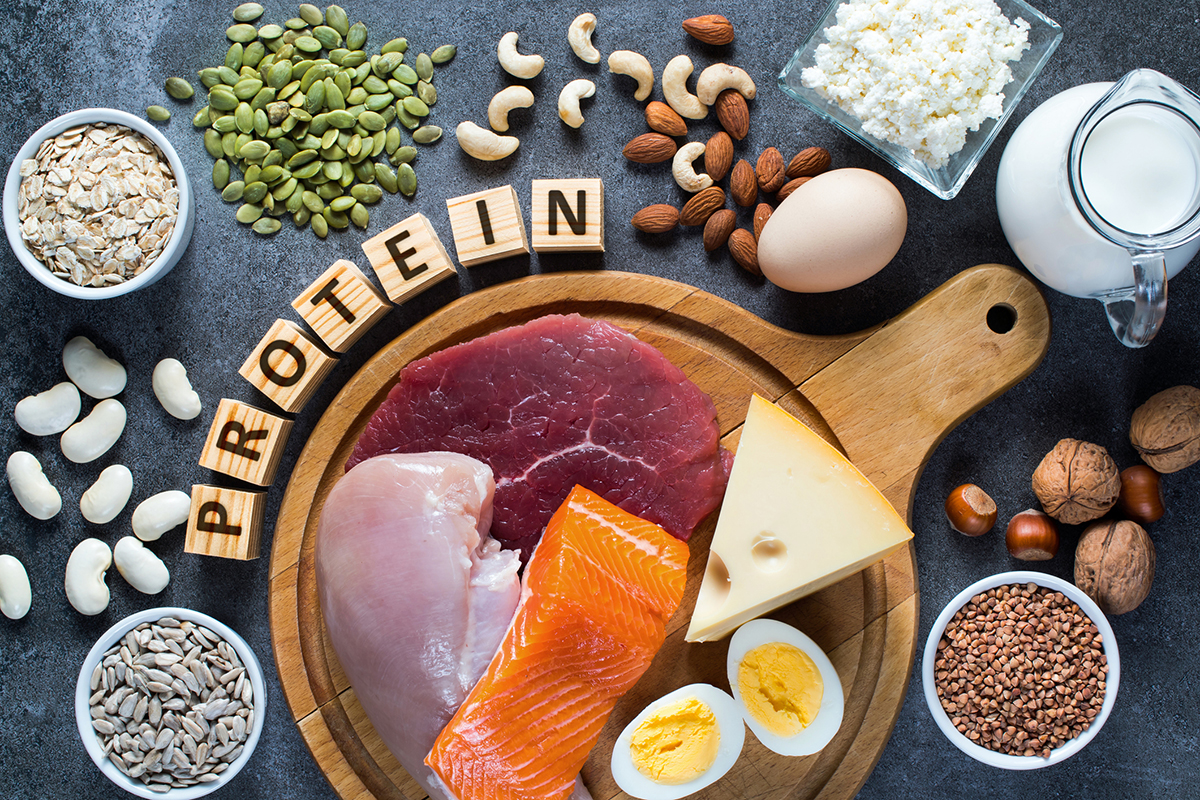
The recommended dietary allowance (RDA) of 0.8 grams per kilogram of body weight per day was designed to prevent deficiency, not to optimize muscle mass, strength, or healthy aging. Over the past two decades, many researchers have argued—based on solid evidence—that higher intakes are often beneficial, particularly for older adults and physically active individuals.
Protein intakes in the range of 1.2 to 1.6 g/kg/day have been shown to support better muscle maintenance and adaptation, but crucially, only when paired with resistance exercise. What was lost in the protein enthusiasm of 2025 is that there is no strong evidence supporting intakes beyond this range for most people.
Large meta-analyses pooling dozens of resistance training studies consistently demonstrate that the benefits of protein supplementation plateau at around 1.6 g/kg/day. Beyond this point, additional protein does not meaningfully increase lean mass or strength—even in people who train frequently or are trying to lose weight.
Protein and weight loss: separating fact from fiction
Protein’s role in weight loss was particularly exaggerated in 2025. It was credited with boosting metabolism, melting fat, suppressing appetite indefinitely, and offsetting hormonal changes during midlife. While appealing, these claims are largely overstated.
Protein does not cause weight loss on its own; an energy deficit is required. Its effects on long-term energy expenditure are minimal, and while it can reduce appetite in short-term studies, these effects often diminish over time. The overall impact on weight loss is modest.
Where protein does matter during weight loss is in helping preserve lean tissue—especially when combined with resistance exercise. However, even here, exercise is the primary driver. Protein plays a supportive role, not a leading one.
Why protein hype peaked in 2025?
The surge in protein enthusiasm is less about new discoveries and more about delayed cultural uptake. Much of protein science matured in the 1990s and early 2000s, refining dose responses and mechanisms. Social media, marketing, and the wellness industry amplified selected messages, often stripping away nuance in favor of extremes.
In online spaces, subtlety rarely thrives. Protein became a symbol of control and optimization, even when the evidence suggested moderation and context.
Bringing protein back to reality
Protein remains vital for health across the lifespan, and many people—particularly older adults—likely benefit from consuming more than the RDA. But 2025 was not the year protein science was revolutionized. It was the year protein was oversold.
Protein supports adaptation; it does not cause it. It helps preserve lean tissue during weight loss; it does not drive fat loss. Beyond a certain point, more protein is simply more protein—not more benefit. The science has been clear for years. The challenge now is learning to listen to it again.
Our Latest News
Global Mulching Carriers Market Analysis & Forecast

Adarsh
Business Strategy — Quintile Reports
Adarsh is a Business Strategy professional focused on transforming market insights into actionable growth plans. He supports strategic initiatives through market analysis, competitive intelligence, and data-driven decision-making to help drive long-term business success.
His core skills include strategic planning, market research, growth opportunity assessment, trend analysis, performance tracking, stakeholder communication, cross-functional collaboration, and critical problem-solving.