
The global Process Chillers Market is entering a transformative growth phase, driven by rapid industrialization, the need for precise temperature control, and increasing emphasis on sustainability.
Valued at USD 8.65 billion in 2025, the market is projected to reach USD 12.62 billion by 2035, expanding at a steady CAGR of 5.5% during the forecast period.
As industries evolve toward automation, digitization, and energy efficiency, process chillers have become indispensable in ensuring operational stability and product quality. From pharmaceuticals to food processing, and from automotive manufacturing to electronics production, these cooling systems play a critical role in modern industrial ecosystems.
Request Sample PDF Report: https://www.quintilereports.com/request-sample/1286-process-chillers-market/
Understanding Process Chillers: The Backbone of Industrial Cooling
Process chillers are specialized cooling systems designed to remove heat generated during industrial operations. They maintain optimal temperatures for machinery, materials, and processes, preventing overheating, ensuring consistent production quality, and extending equipment lifespan.
These systems consist of key components such as compressors, condensers (air-cooled or water-cooled), evaporators, pumps, refrigerant circuits, and heat exchangers. By circulating refrigerants like ammonia, CO₂, or halocarbons, chillers efficiently transfer heat away from industrial processes.
Limited-Time Discount Available: https://www.quintilereports.com/request-discount/1286-process-chillers-market/
In many facilities, process chillers work in tandem with HVAC systems to create controlled environments for both equipment and personnel. This integration is especially crucial in industries like pharmaceuticals and electronics, where even minor temperature fluctuations can lead to significant quality issues.
Key Growth Drivers Fueling Market Expansion
1. Rising Industrialization and Automation
The global surge in industrial activities, particularly in emerging economies, is a major driver of the process chillers market. As manufacturing processes become more complex and automated, the demand for reliable and efficient cooling solutions continues to grow.
Automation in industries such as automotive, semiconductors, and plastics requires precise thermal management to ensure optimal machine performance and minimize downtime. Process chillers provide the stability needed for these advanced operations.
2. Growing Demand from Temperature-Sensitive Industries
Industries like pharmaceuticals, food and beverage, and chemicals rely heavily on temperature control for safety, compliance, and quality assurance.
-
Pharmaceuticals: Require strict temperature regulation for drug manufacturing and storage.
-
Food & Beverage: Cooling is essential for processing, preservation, and storage.
-
Chemicals: Precise temperature control ensures safe and efficient reactions.
This increasing reliance on temperature-sensitive processes is significantly boosting the demand for advanced chilling solutions.
Buying Now: https://www.quintilereports.com/request-enquiry/1286-process-chillers-market/
3. Shift Toward Energy Efficiency and Sustainability
Environmental concerns and regulatory pressures are pushing industries toward adopting energy-efficient and eco-friendly technologies. Process chillers are evolving to meet these demands through:
-
Use of low Global Warming Potential (GWP) refrigerants such as R-513A, R-454B, and natural refrigerants like ammonia and CO₂
-
Integration of energy-efficient compressors and variable-speed drives
-
Development of systems designed to minimize carbon footprint
Governments and regulatory bodies worldwide are introducing stricter standards, encouraging industries to upgrade to greener cooling technologies.
4. Technological Advancements and Digital Transformation
The integration of IoT, AI, and smart monitoring systems is revolutionizing the process chillers market. Modern chillers now offer:
-
Real-time performance monitoring
-
Predictive maintenance to reduce downtime
-
Remote operation and diagnostics
-
Energy optimization capabilities
These innovations not only enhance efficiency but also reduce operational costs, making smart chillers highly attractive to industries.
Market Segmentation Insights
By Type
-
Air-Cooled Chillers
-
Water-Cooled Chillers
Air-cooled chillers are preferred in facilities with limited water availability or space constraints, while water-cooled systems dominate large-scale industrial applications due to higher efficiency.
By Capacity
-
<20 Tons
-
20–100 Tons
-
100–200 Tons
-
200 Tons
Large-capacity chillers are widely used in heavy industries, while smaller units cater to niche and specialized applications.
By End-Use Industry
-
Plastics
-
Food & Beverage
-
Pharmaceuticals
-
Chemicals
-
Metalworking
-
Electronics
-
HVAC
Among these, pharmaceuticals and food processing sectors are experiencing particularly strong growth.
By Application
-
Cooling for Equipment
-
Cooling for Processes
-
Cooling for Spaces
Process cooling remains the dominant application segment due to its critical role in manufacturing.
Regional Market Dynamics
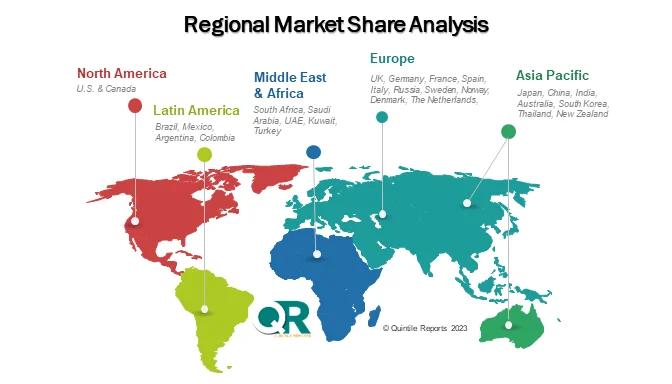
Asia-Pacific: The Market Leader
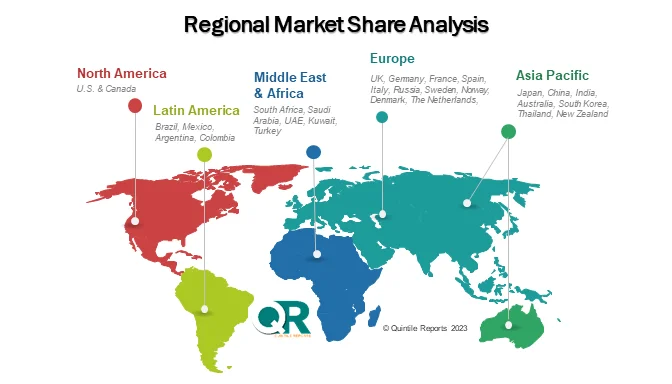
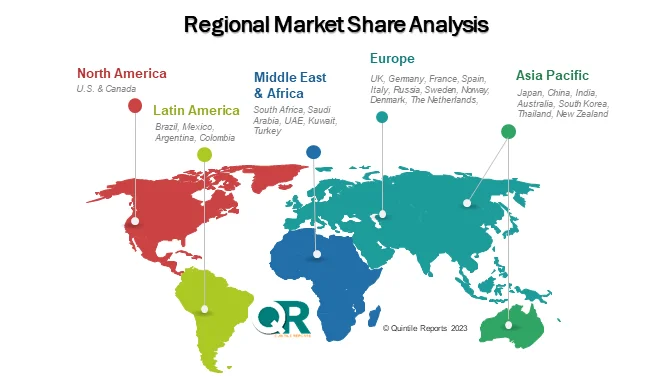
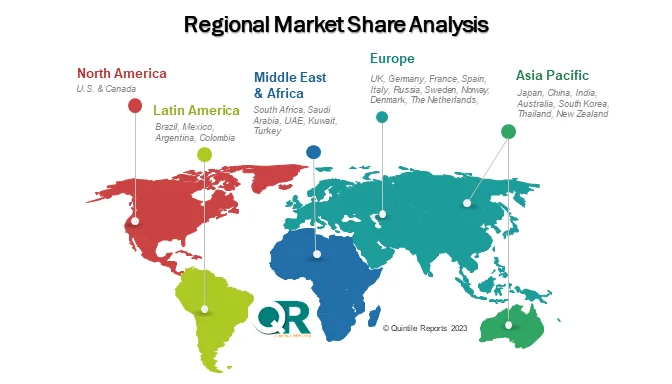
Asia-Pacific dominates the global process chillers market, driven by rapid industrial growth in countries such as China, India, Japan, and South Korea. Government initiatives promoting manufacturing and energy efficiency are further accelerating market expansion.
North America: Innovation and Sustainability Hub
North America is witnessing strong growth due to industrial retrofitting, automation, and strict environmental regulations. The adoption of smart, energy-efficient chillers is particularly high in the United States.
Europe: Regulatory-Driven Growth
Europe’s market is shaped by stringent environmental regulations such as the F-Gas Regulation, which promotes the use of eco-friendly refrigerants. Countries like Germany and France are leading the adoption of sustainable cooling technologies.
Latin America & Middle East & Africa: Emerging Opportunities
These regions are experiencing steady growth driven by industrial expansion and infrastructure development. While adoption of advanced technologies is gradual, the demand for cost-effective and efficient cooling solutions is increasing.
Competitive Landscape: Innovation as a Key Differentiator
The process chillers market is highly competitive, with leading players focusing on innovation, sustainability, and digital integration. Major companies include:
-
Trane Technologies
-
Carrier Global Corporation
-
Daikin Industries Ltd.
-
Johnson Controls
-
Mitsubishi Electric Corporation
-
Blue Star Limited
-
Thermax Limited
These companies are investing heavily in R&D to develop next-generation chillers that offer improved efficiency, reduced environmental impact, and enhanced performance.
Challenges Hindering Market Growth
Despite strong growth prospects, the market faces several challenges:
-
High initial investment costs, particularly for large and advanced systems
-
Complex maintenance requirements requiring skilled personnel
-
Supply chain disruptions affecting component availability
-
Regulatory compliance pressures related to environmental standards
Addressing these challenges will be crucial for sustained market growth.
Future Outlook: Smart, Sustainable, and Scalable
The future of the process chillers market lies in the convergence of smart technology, sustainability, and customization. Key trends expected to shape the market include:
-
Increased adoption of IoT-enabled chillers
-
Growing demand for modular and scalable systems
-
Expansion of green refrigerant technologies
-
Integration with Industry 4.0 and smart manufacturing systems
Companies that prioritize innovation, energy efficiency, and customer-centric solutions will be well-positioned to lead the market in the coming years.
Our Latest Publication:
Process Chillers Market (2026-2036)
Rosacea Treatment Market Expands with Advanced Dermatology Solutions & Rising Awareness

Adarsh
Business Strategy — Quintile Reports
Adarsh is a Business Strategy professional focused on transforming market insights into actionable growth plans. He supports strategic initiatives through market analysis, competitive intelligence, and data-driven decision-making to help drive long-term business success.
His core skills include strategic planning, market research, growth opportunity assessment, trend analysis, performance tracking, stakeholder communication, cross-functional collaboration, and critical problem-solving.