
The global pet care industry is experiencing a significant transformation as pet owners increasingly invest in healthcare solutions designed to improve the quality of life for their animals.
One rapidly growing segment within this industry is the Pet Mobility Aids Market, which focuses on assistive devices that help pets suffering from injuries, aging-related mobility issues, and chronic conditions.
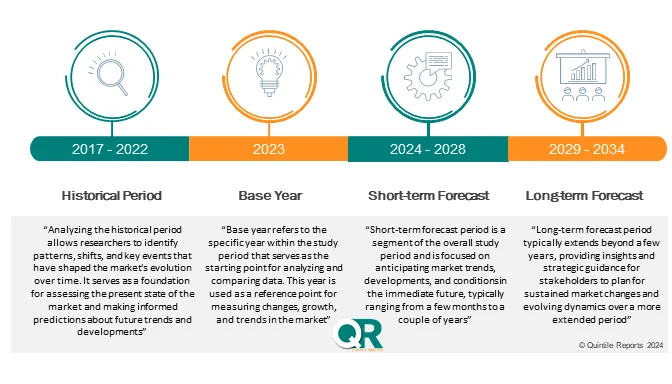
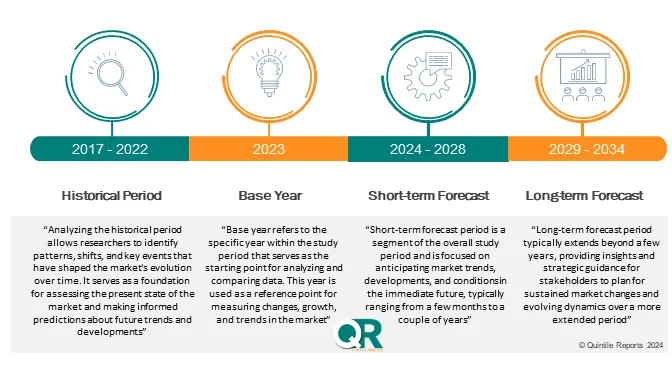
According to a new market study by Quintile Reports, the global Pet Mobility Aids Market was valued at USD 2.53 billion in 2025 and is projected to reach USD 3.63 billion by 2034, growing at a compound annual growth rate (CAGR) of 7.18% during the forecast period.
Pet mobility aids are becoming essential tools for veterinarians, rehabilitation centers, and pet owners seeking effective ways to support animals with limited mobility. As pets are increasingly considered members of the family, owners are showing a stronger willingness to invest in products that support long-term health and recovery.
Request Sample PDF Report: https://www.quintilereports.com/request-sample/1026-pet-mobility-aids-market/
Rising Demand for Mobility Support in Aging Pets
The growing population of aging pets is one of the primary drivers of the market. As veterinary care improves and pets live longer, conditions such as arthritis, hip dysplasia, spinal injuries, and post-surgical mobility limitations are becoming more common.
To address these issues, pet mobility aids such as wheelchairs, prosthetics, orthopedic braces, slings, and harnesses are widely used. These devices help animals regain movement, maintain independence, and recover more effectively after injuries or surgeries.
Innovative designs and improved ergonomics are making mobility aids more comfortable and adaptable for pets of different sizes and medical conditions.
Discount Now: https://www.quintilereports.com/request-discount/1026-pet-mobility-aids-market/
Technological Innovation Enhancing Pet Rehabilitation
Manufacturers are increasingly focusing on developing lightweight, adjustable, and veterinarian-approved mobility devices. Modern pet mobility aids incorporate advanced materials and ergonomic designs to ensure comfort and durability.
Products such as customizable wheelchairs and orthopedic braces allow pets to maintain an active lifestyle while recovering from injuries or coping with age-related mobility challenges.
Several companies including Walkin Pets by HandicappedPets.com, OrthoPets, and K9 Carts are actively investing in research and development to create more efficient mobility solutions tailored to specific pet conditions.
Additionally, veterinary rehabilitation clinics are increasingly recommending mobility aids as part of treatment plans, helping accelerate recovery and improve long-term mobility outcomes.
Buying Now: https://www.quintilereports.com/request-enquiry/1026-pet-mobility-aids-market/
E-Commerce and Veterinary Partnerships Expanding Market Access
The rise of online pet wellness platforms has significantly improved access to pet mobility aids. E-commerce channels allow pet owners to easily compare products, access fitting guides, and consult with veterinary professionals before purchasing mobility devices.
Many manufacturers are also collaborating with veterinary clinics and rehabilitation centers to offer customized solutions and bundled therapy programs.
Companies such as PetSafe and Gen7Pets are expanding their digital platforms to provide personalized customer support and educational resources for pet owners navigating mobility challenges.
Regional Market Trends
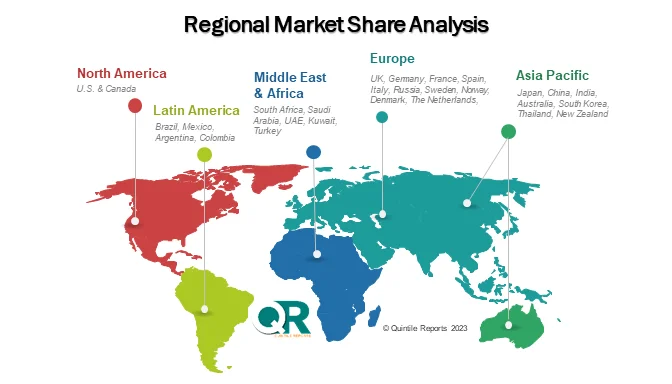
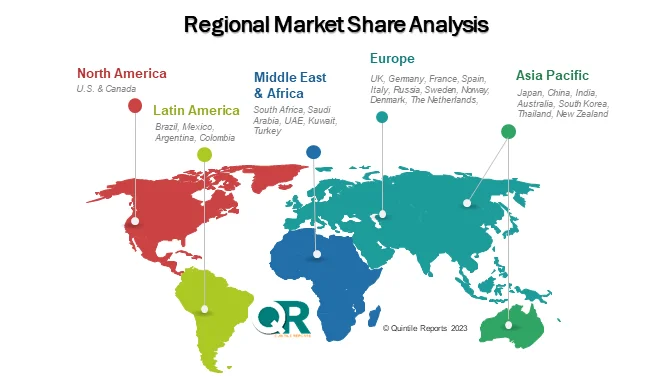
Regionally, North America dominates the pet mobility aids market due to high pet ownership rates, strong veterinary infrastructure, and increasing awareness about animal rehabilitation.
Europe also represents a significant market, particularly in countries such as the United Kingdom and Germany where animal welfare standards and veterinary care are well established.
Meanwhile, the Asia-Pacific region is emerging as a promising growth market due to rising pet adoption rates and growing awareness of pet healthcare in countries such as Japan, China, and Australia.
Latin America and the Middle East are also expected to see steady growth as veterinary infrastructure continues to improve and awareness of animal rehabilitation technologies increases.
Future Outlook
The pet mobility aids market is expected to maintain steady growth as innovation, rising pet ownership, and improved veterinary care continue to drive demand.
Manufacturers are increasingly focusing on customization, lightweight materials, and improved ergonomics to enhance product effectiveness and pet comfort.
As awareness about pet physiotherapy and rehabilitation expands globally, mobility aids are likely to become a standard component of veterinary treatment plans for pets recovering from injury or dealing with chronic mobility conditions.
1. What are pet mobility aids and why are they important?
Pet mobility aids are assistive devices designed to help animals suffering from mobility limitations due to aging, injury, surgery, or chronic health conditions. These tools help pets regain movement, improve independence, and maintain a better quality of life.
2. What is the projected growth of the global pet mobility aids market?
According to research published by Quintile Reports, the global pet mobility aids market is expected to grow from USD 2.53 billion in 2025 to approximately USD 3.63 billion by 2034, expanding at a CAGR of 7.18% during the forecast period.
3. Which types of mobility aids are most commonly used for pets?
The most widely used mobility aids include pet wheelchairs, prosthetics, orthotics, support braces, walkers, slings, harnesses, ramps, and pet strollers. These products are designed to support pets recovering from injuries or suffering from chronic mobility disorders.
4. Which pets benefit the most from mobility aids?
Dogs represent the largest segment of the market due to their higher adoption rates and increased risk of mobility-related health conditions. However, cats and other small animals such as rabbits and ferrets are also increasingly benefiting from these assistive devices.
5. What health conditions drive demand for pet mobility aids?
Common conditions that require mobility assistance include arthritis, hip dysplasia, spinal injuries, degenerative joint diseases, neurological disorders, and post-surgical rehabilitation.
6. How are technological advancements influencing the pet mobility aids market?
Manufacturers are developing lightweight, adjustable, and customized mobility devices using ergonomic designs and advanced materials. These innovations allow products to better accommodate different pet sizes, breeds, and medical needs.
7. Which regions are leading the pet mobility aids market?
North America currently dominates the market due to high pet ownership and advanced veterinary care infrastructure. Europe follows closely, while Asia-Pacific is emerging as a fast-growing region due to increasing pet adoption and rising awareness about animal healthcare.
8. How do veterinary clinics contribute to market growth?
Veterinary clinics and rehabilitation centers increasingly recommend mobility aids as part of post-operative recovery programs and long-term treatment plans, helping boost product adoption.
9. What role does e-commerce play in the pet mobility aids market?
Online retail platforms allow pet owners to easily access a wide range of products, compare specifications, and receive guidance through virtual consultations, improving product accessibility worldwide.
10. What opportunities exist for companies in the pet mobility aids industry?
Opportunities include developing customizable mobility solutions, expanding veterinary partnerships, improving online retail experiences, and entering emerging pet healthcare markets in Asia-Pacific and Latin America.
Our Latest Publication:
Pet Mobility Aids Market (2026 – 2035)
Life Science Tools Market Poised for Rapid Expansion as Genomics and AI Transform Research

Adarsh
Business Strategy — Quintile Reports
Adarsh is a Business Strategy professional focused on transforming market insights into actionable growth plans. He supports strategic initiatives through market analysis, competitive intelligence, and data-driven decision-making to help drive long-term business success.
His core skills include strategic planning, market research, growth opportunity assessment, trend analysis, performance tracking, stakeholder communication, cross-functional collaboration, and critical problem-solving.