
The global penile implants market is entering a phase of sustained expansion, fueled by growing awareness of erectile dysfunction (ED), technological innovation, and increasing acceptance of surgical treatment options.
According to recent industry analysis, the market is projected to grow from USD 583.12 million in 2025 to USD 860.82 million by 2034, registering a compound annual growth rate (CAGR) of 7.57%.
Erectile dysfunction remains a significant global health concern, particularly among aging populations and patients with chronic conditions such as diabetes and cardiovascular diseases. As oral medications and non-invasive treatments fail to address severe cases, penile implants are emerging as a reliable and long-term solution. This shift in treatment preference is significantly contributing to market growth.
Technological advancements are playing a pivotal role in transforming the landscape of penile implants. Manufacturers are increasingly focusing on developing next-generation devices that offer improved durability, enhanced biocompatibility, and a more natural user experience. Inflatable implants, especially 2-piece and 3-piece systems, are gaining popularity due to their functional efficiency and patient satisfaction rates. Meanwhile, malleable implants continue to offer cost-effective alternatives, particularly in emerging markets.
Request Sample PDF Report: https://www.quintilereports.com/request-sample/1014-penile-implants-market/
Another key driver is the advancement in minimally invasive surgical procedures and post-operative care. These improvements have reduced recovery times and minimized complications, encouraging both patients and healthcare providers to opt for implant-based solutions. Additionally, growing physician awareness programs and patient education initiatives are helping reduce stigma associated with surgical treatments for ED.
Discount Now: https://www.quintilereports.com/request-discount/1014-penile-implants-market/
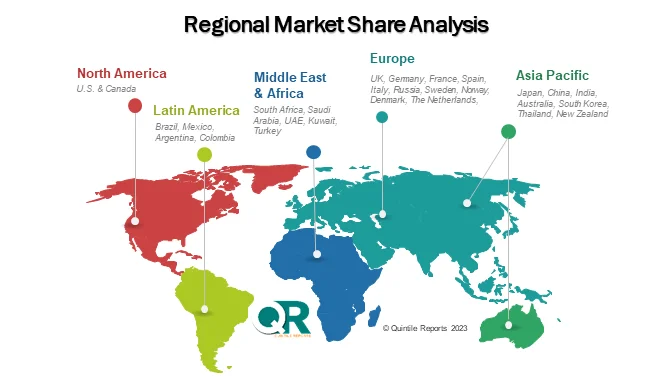
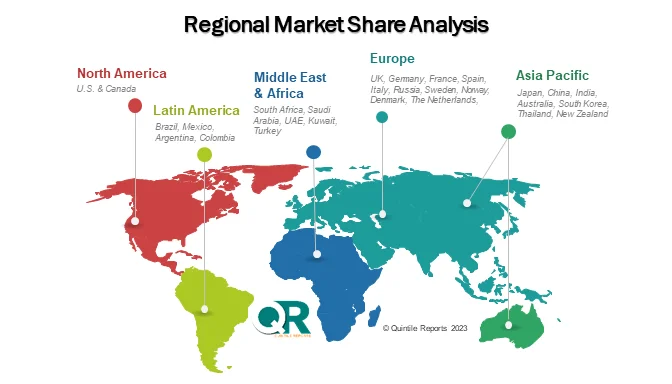
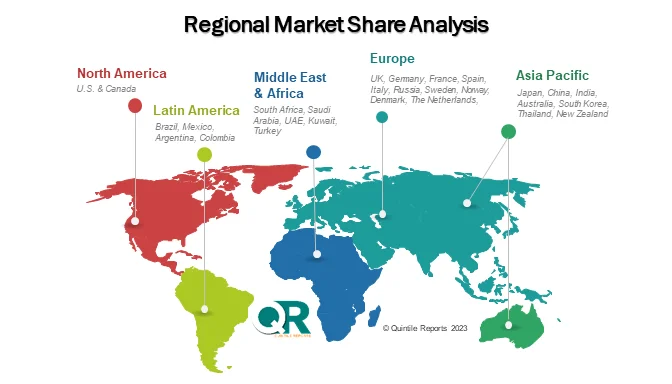
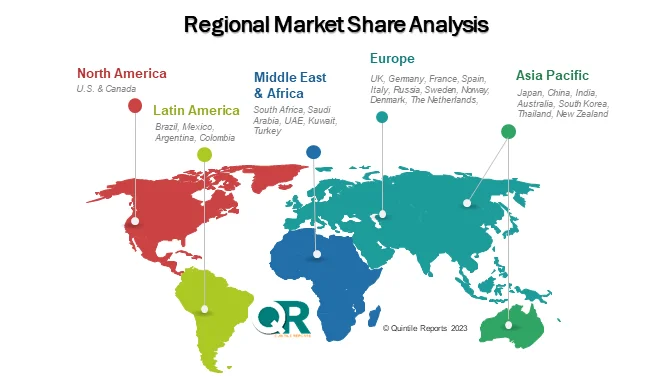
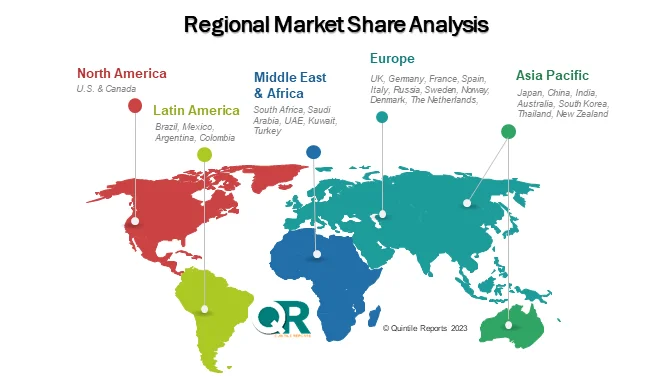
From a regional perspective, North America currently dominates the market, supported by advanced healthcare infrastructure, favorable reimbursement policies, and high awareness levels. Europe follows closely, driven by its aging population and increasing healthcare investments. However, the Asia-Pacific region is expected to witness the fastest growth during the forecast period. Countries such as China, India, and Japan are experiencing a rise in lifestyle-related diseases and healthcare spending, creating lucrative opportunities for market players.
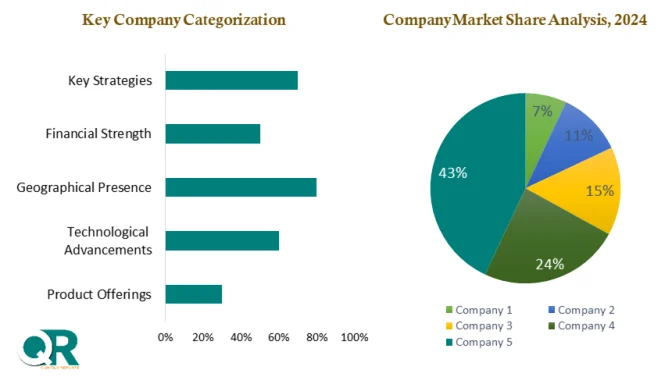
The competitive landscape is characterized by strong participation from established medical device companies as well as emerging innovators. Key players are investing heavily in research and development, strategic collaborations, and geographic expansion to strengthen their market position. Companies are also focusing on customization and patient-centric solutions to differentiate their offerings in an increasingly competitive environment.
Despite the positive outlook, the market faces certain challenges. High procedural costs, limited reimbursement in developing regions, and social stigma surrounding ED treatments may hinder adoption rates. However, continuous awareness campaigns and improvements in healthcare accessibility are expected to mitigate these barriers over time.
Buying Now: https://www.quintilereports.com/request-enquiry/1014-penile-implants-market/
Looking ahead, the penile implants market is poised to benefit from ongoing innovation, expanding healthcare access, and shifting patient preferences toward effective and permanent treatment solutions. Stakeholders who prioritize technological advancement and strategic partnerships will be well-positioned to capitalize on emerging opportunities in this evolving market.
1. What is a penile implant and how does it work?
A penile implant is a surgically inserted medical device that enables men with severe erectile dysfunction (ED) to achieve an erection. It works by manually or mechanically creating rigidity in the penis, typically through inflatable systems or semi-rigid rods.
2. Who is the ideal candidate for penile implants?
Patients who do not respond to oral medications, injections, or other non-invasive ED treatments are considered ideal candidates. This often includes individuals with diabetes, post-prostate surgery complications, or severe vascular conditions.
3. What are the different types of penile implants available?
There are two main types:
-
Inflatable implants (2-piece and 3-piece systems)
-
Malleable (semi-rigid) implants
Inflatable devices are more advanced and offer a natural feel, while malleable implants are simpler and more affordable.
4. Are penile implants safe and effective?
Yes, penile implants are considered a safe and highly effective long-term solution for ED. They have high satisfaction rates among patients and partners, especially when performed by experienced surgeons.
5. How long do penile implants last?
Most penile implants are designed to last between 10 to 15 years, depending on the type and usage. Technological advancements are further improving device longevity and reliability.
6. What is the recovery time after penile implant surgery?
Recovery typically takes 4 to 6 weeks. Patients can resume normal activities gradually, with full sexual activity usually recommended after healing is complete.
7. Why is the demand for penile implants increasing globally?
Demand is rising due to increasing awareness of ED treatments, aging populations, higher prevalence of chronic diseases, and improved access to advanced healthcare solutions.
8. How do penile implants compare with other ED treatments?
Unlike medications or injections, penile implants offer a permanent and reliable solution. They are especially beneficial when other treatments fail or produce unsatisfactory results.
9. What role does innovation play in market growth?
Innovation is critical, with manufacturers focusing on enhanced materials, improved device mechanics, and minimally invasive surgical techniques, all of which boost patient outcomes and adoption rates.
10. What factors are influencing market competition?
Key factors include product innovation, pricing strategies, regulatory approvals, physician training programs, and partnerships with hospitals and urology clinics.
11. How are emerging markets contributing to growth?
Emerging economies like India, China, and Brazil are driving growth due to rising healthcare investments, improving infrastructure, and increasing awareness of ED treatments.
12. What is the future outlook for the penile implants market?
The market is expected to grow steadily through 2034, driven by technological advancements, increasing patient acceptance, and expansion into underserved regions.
Our Latest Publication:
Penile Implants Market (2026 – 2035)
Inhaled Nitric Oxide Delivery Systems Market Set for Steady Growth Amid Rising Respiratory Care Demand

Adarsh
Business Strategy — Quintile Reports
Adarsh is a Business Strategy professional focused on transforming market insights into actionable growth plans. He supports strategic initiatives through market analysis, competitive intelligence, and data-driven decision-making to help drive long-term business success.
His core skills include strategic planning, market research, growth opportunity assessment, trend analysis, performance tracking, stakeholder communication, cross-functional collaboration, and critical problem-solving.