

Global Microarray Market Growth Driven by Genomics, Precision Medicine, and Technological Advancements
The global microarray market is experiencing steady growth, driven by rapid advancements in genomics, molecular biology, and precision medicine that are reshaping healthcare and life sciences research. Valued at USD 6.63 billion in 2025, the market is projected to reach USD 7.73 billion by 2034, registering a CAGR of 7.07% during the forecast period. Increasing demand for gene expression analysis, rising adoption of personalized medicine, and continuous innovations in diagnostic technologies are key factors fueling market expansion worldwide.
Microarrays have become an essential tool in modern biological research and clinical diagnostics. These high-throughput platforms allow scientists and clinicians to analyze thousands of genes, proteins, or biomarkers simultaneously, enabling faster and more accurate insights into complex biological systems.
Read the full Global Microarray Market Report for detailed insights on market size, growth trends, segmentation, and forecast to 2034: https://www.quintilereports.com/industry-report/1017-microarray-market/
Driving Forces Behind Market Growth
One of the primary drivers of the Microarray Market is the rising demand for personalized medicine. As healthcare shifts toward tailored treatment approaches, the need for technologies that can analyze genetic variations and disease markers is increasing significantly.
The growing prevalence of chronic diseases such as cancer and genetic disorders is also fueling demand. Microarrays play a crucial role in gene expression profiling, genotyping, and biomarker discovery, making them indispensable in early diagnosis and targeted therapy development.
Additionally, increased funding for genomics research and the expansion of biotechnology and pharmaceutical industries are accelerating the adoption of microarray technologies worldwide.
Technological Advancements Transforming the Industry
Continuous innovation is reshaping the microarray landscape. Improvements in probe design, sensitivity, and automation are enhancing the accuracy and efficiency of these platforms. Integration with bioinformatics and artificial intelligence (AI) tools is further enabling researchers to process large datasets and derive meaningful insights.
High-throughput microarrays are gaining traction as they reduce turnaround times and operational costs while improving analytical performance. These advancements are expanding applications across drug discovery, pathogen detection, and clinical diagnostics.
Applications Expanding Across Sectors
Microarrays are widely used across multiple domains, including:
-
Gene expression analysis
-
Comparative genomic hybridization (CGH)
-
Pathogen detection
-
Drug discovery and development
-
Biomarker identification
Their versatility makes them valuable tools for academic institutions, pharmaceutical companies, diagnostic laboratories, and contract research organizations.
Regional Insights: Global Adoption Trends
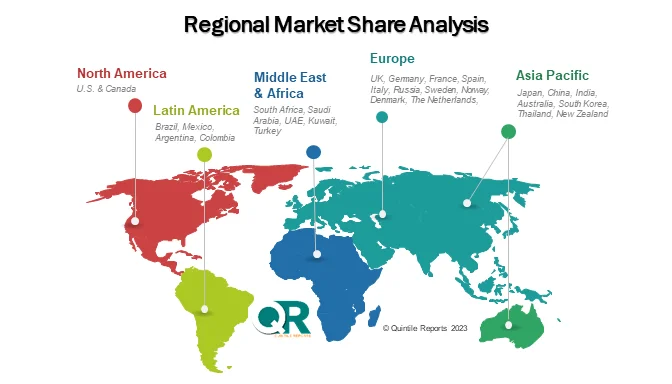
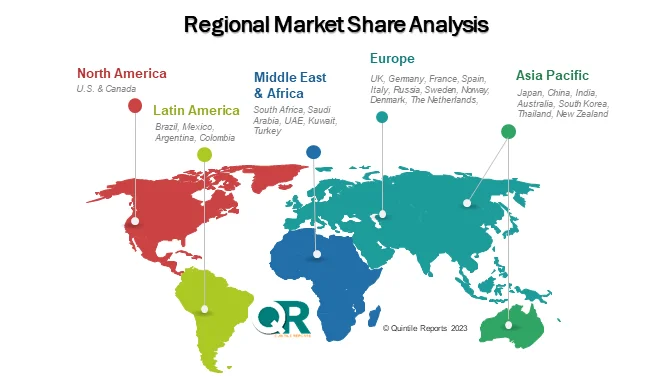
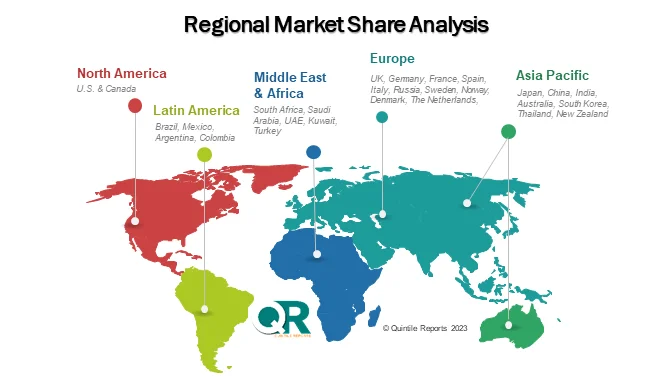
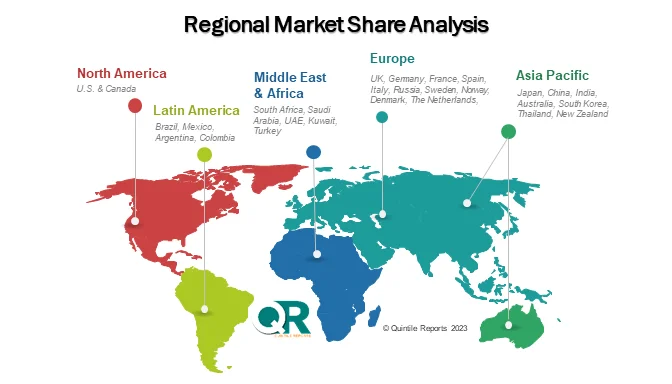
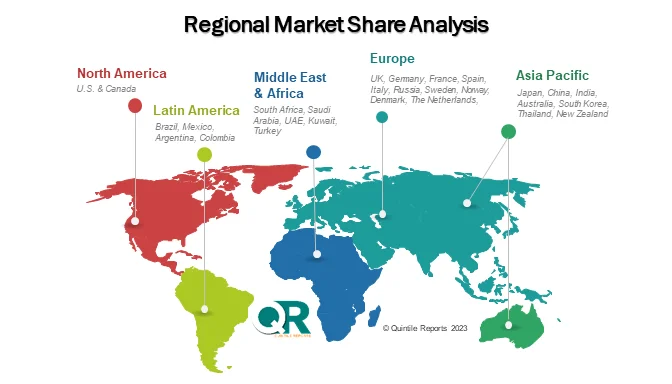
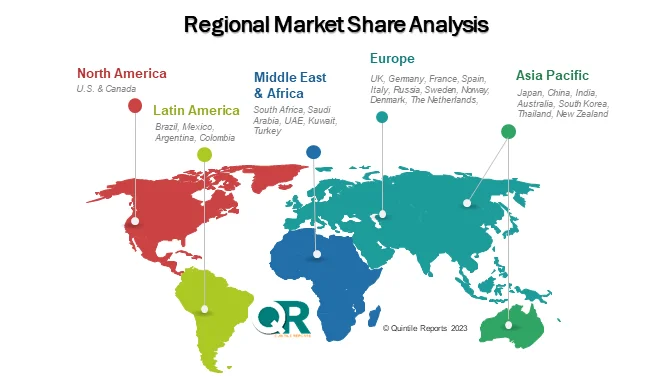
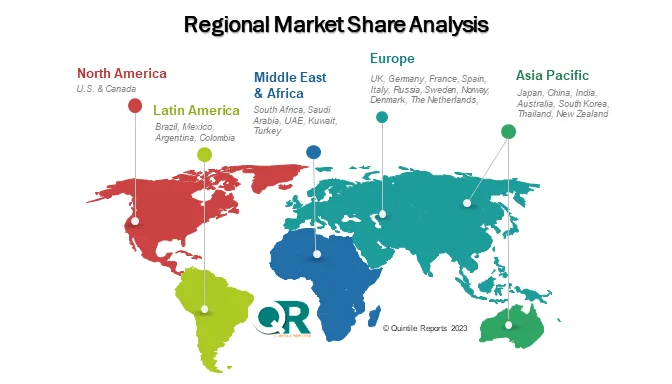
North America currently dominates the Microarray Market, supported by strong research infrastructure, advanced healthcare systems, and the presence of leading companies such as Thermo Fisher Scientific and Illumina, Inc..
Europe also holds a significant share, driven by active genomics research and biotechnology hubs in countries like Germany, the UK, and France.
Meanwhile, the Asia-Pacific region is emerging as a high-growth market. Increasing government support, expanding biotech industries, and rising investments in healthcare research are driving adoption in countries such as China, India, and Japan.
Competitive Landscape and Strategic Developments
The market is highly competitive, with key players focusing on innovation, partnerships, and geographic expansion. Companies are investing in advanced microarray platforms and collaborating with research institutions to expand applications in precision medicine and drug development.
Strategic initiatives such as mergers, acquisitions, and product launches are further intensifying competition and driving technological progress.
Future Outlook
The future of the Microarray Market looks promising, with continued growth expected over the next decade. The increasing integration of AI, growing demand for precision diagnostics, and expansion into emerging markets will play a crucial role in shaping the industry.
As healthcare systems continue to evolve, microarrays will remain a cornerstone technology in genomics research and clinical diagnostics, enabling more accurate, efficient, and personalized healthcare solutions.
Q1. What is a microarray and why is it important in modern research?
A microarray is a high-throughput technology used to analyze thousands of genes or proteins simultaneously. It is essential for understanding gene expression, identifying mutations, and accelerating biomedical research.
Q2. How does the Microarray Market support personalized medicine?
Microarrays enable detailed genetic profiling, helping clinicians design targeted therapies based on individual patient characteristics, which is a key aspect of personalized medicine.
Q3. What are the major types of microarrays available?
The main types include DNA microarrays, protein microarrays, cell microarrays, and specialized arrays such as tissue and peptide microarrays.
Q4. How are microarrays used in cancer research?
Microarrays help identify cancer-related genes, analyze tumor behavior, and support biomarker discovery, enabling early diagnosis and targeted treatment strategies.
Q5. What role do microarrays play in drug discovery?
Microarrays assist pharmaceutical companies in identifying drug targets, studying gene interactions, and evaluating drug responses, thereby accelerating the drug development process.
Q6. How does microarray technology compare to next-generation sequencing (NGS)?
While NGS offers deeper genomic insights, microarrays remain cost-effective, faster for specific applications, and widely used for routine gene expression and genotyping studies.
Q7. What are the key growth opportunities in the Microarray Market?
Opportunities include expanding applications in clinical diagnostics, integration with AI, growth in emerging markets, and increasing use in precision medicine.
Q8. Who are the leading players driving innovation in this market?
Key companies include Thermo Fisher Scientific, Illumina, Inc., Agilent Technologies, and Bio-Rad Laboratories, Inc..
Q9. What challenges does the Microarray Market face?
Challenges include high initial costs, complexity of data interpretation, and competition from advanced technologies like sequencing platforms.
Q10. How is AI transforming microarray data analysis?
AI and machine learning help process large datasets, identify patterns, and improve accuracy in diagnostics and research findings.
Q11. Which end-users are driving demand for microarrays?
Academic research institutes, pharmaceutical and biotechnology companies, diagnostic laboratories, and contract research organizations (CROs) are key end-users.
Q12. What is the future outlook of the Microarray Market?
The market is expected to grow steadily, driven by advancements in genomics, increased adoption in diagnostics, and expansion into emerging healthcare markets.
Recent Updated News:
- Autonomous Firefighting Drones Market Set for Rapid Growth as AI Transforms Emergency Response
- Oxygen Concentrator Market Gains Momentum as Home Healthcare and Portable Devices Surge

Adarsh
Business Strategy — Quintile Reports
Adarsh is a Business Strategy professional focused on transforming market insights into actionable growth plans. He supports strategic initiatives through market analysis, competitive intelligence, and data-driven decision-making to help drive long-term business success.
His core skills include strategic planning, market research, growth opportunity assessment, trend analysis, performance tracking, stakeholder communication, cross-functional collaboration, and critical problem-solving.