
The global logistics industry is undergoing a major transformation, and at the center of this shift is last mile drone delivery.
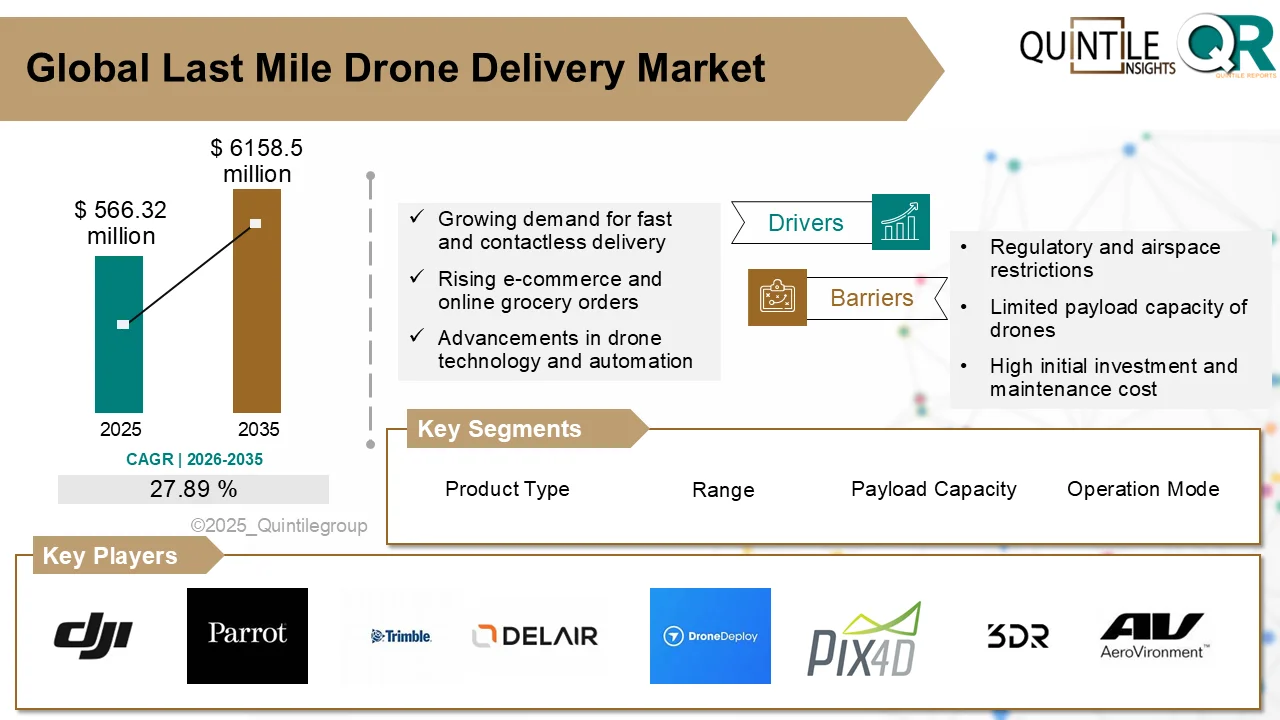
Once considered experimental, drone delivery is now rapidly becoming a practical solution for modern logistics challenges. According to recent market research, the Last Mile Drone Delivery Market was valued at USD 566.32 million in 2025 and is projected to reach USD 6,158.5 million by 2035, growing at a remarkable CAGR of 27.89% during the forecast period.
This rapid growth reflects a broader shift in how goods are transported, particularly in the final stage of delivery known as the “last mile.” Traditionally, this part of the delivery process has been the most expensive and time-consuming. Drone technology is now changing that by offering faster, more efficient, and cost-effective delivery solutions.
Read the full Global Last Mile Drone Delivery Market 2026-2036 Report for detailed insights on market size, growth trends, segmentation, and forecast to 2034: https://www.quintilereports.com/industry-report/1266-last-mile-drone-delivery-market/
Understanding Last Mile Drone Delivery
Last mile delivery refers to the final step of the delivery process where goods are transported from a warehouse or distribution center to the customer’s doorstep. This stage accounts for a significant portion of total delivery costs due to fuel expenses, labor costs, traffic congestion, and inefficient routing.
Drone delivery solves many of these issues by bypassing road traffic and delivering packages directly via air. These unmanned aerial vehicles (UAVs) use GPS, artificial intelligence, sensors, and real-time data analytics to navigate and deliver packages safely and efficiently.
Drone delivery is particularly useful for:
- E-commerce parcels
- Medical supplies
- Food delivery
- Emergency supplies
- Industrial parts
- Postal services
In rural and remote areas where road infrastructure is limited, drones can significantly improve delivery speed and accessibility.
Key Market Drivers
1. Rapid Growth of E-Commerce
The growth of e-commerce is one of the primary drivers of the last mile drone delivery market. Consumers now expect same-day or even same-hour delivery, which traditional delivery systems often struggle to provide. Drones enable ultra-fast delivery, especially for lightweight packages.
2. Technological Advancements
Technological innovation is making drones smarter, safer, and more efficient. Key advancements include:
- AI-powered navigation
- Real-time obstacle detection
- Improved battery life
- Lightweight materials
- Autonomous flight systems
- 5G connectivity for fleet communication
These technologies allow drones to operate autonomously and deliver packages with minimal human intervention.
3. Cost Reduction in Logistics
Drone delivery reduces fuel consumption, vehicle maintenance costs, and labor expenses. Studies suggest drone delivery can reduce delivery costs by up to 40% and delivery time by up to 70%, making it an attractive option for logistics companies.
4. Growing Demand for Contactless Delivery
After the global pandemic, contactless delivery became more important than ever. Drone delivery allows packages to be delivered without human contact, improving safety and convenience.
5. Environmental Benefits
Most delivery drones are electric-powered, which helps reduce carbon emissions compared to traditional delivery vehicles. This aligns with global sustainability goals and green logistics initiatives.
Market Challenges and Restraints
Despite strong growth potential, the market faces several challenges.
Regulatory Challenges
Drone regulations vary from country to country, making it difficult for companies to scale operations globally. Many countries still require drones to remain within the operator’s line of sight, limiting long-distance delivery.
Battery and Payload Limitations
Current drone technology limits how far drones can fly and how much weight they can carry. Most delivery drones are suitable only for small packages.
Safety and Security Concerns
Drones operating in urban environments face risks such as:
- Collision with buildings
- Power line interference
- Air traffic conflicts
- Signal jamming
- Cybersecurity threats
Public Acceptance
Some people have concerns about noise, privacy, and safety. Public acceptance is still developing, especially in densely populated cities.
Infrastructure Gaps
Drone delivery requires infrastructure such as:
- Drone hubs
- Charging stations
- Landing pads
- Air traffic management systems
- Strong telecom networks
Many regions still lack this infrastructure.
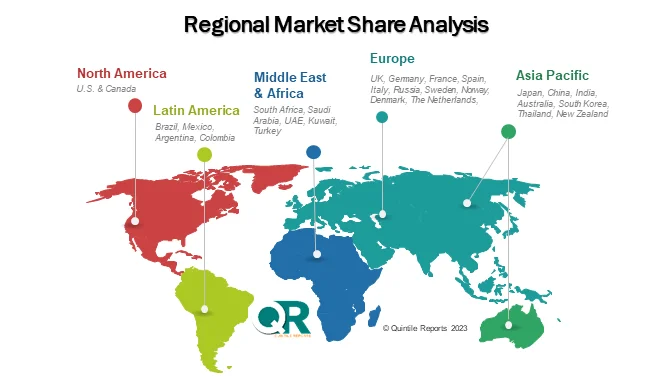
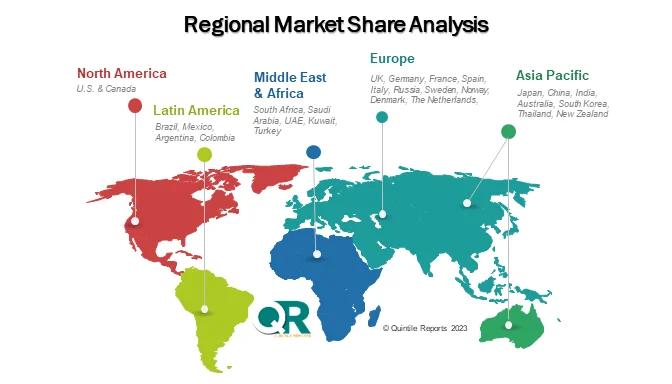
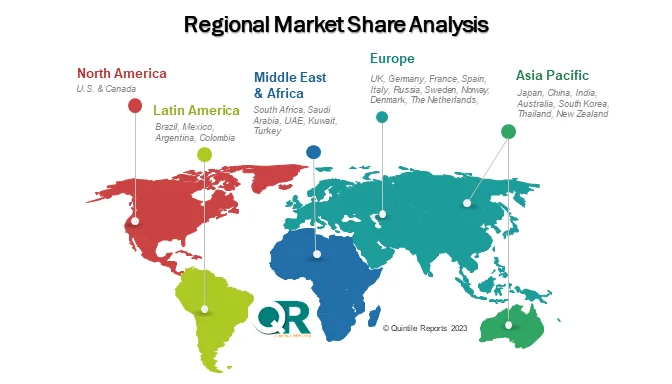
Regional Market Trends
North America
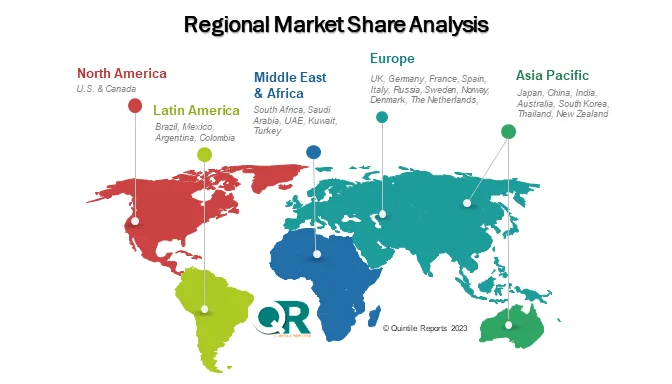
North America is currently the leading market for drone delivery due to strong technological development and supportive regulatory frameworks. The region has multiple pilot programs and commercial drone delivery services already in operation.
Europe
Europe is seeing rapid growth due to regulatory support and smart city initiatives. Countries like Germany, France, and the Netherlands are testing drone delivery for parcels, food, and medical supplies.
Asia Pacific
Asia Pacific is expected to witness the fastest growth due to government support, rapid urbanization, and expanding e-commerce markets. China, India, and Japan are investing heavily in drone logistics infrastructure and pilot programs.
Latin America
Latin America offers strong potential, especially in remote and mountainous regions where traditional logistics is difficult. However, regulatory uncertainty and infrastructure challenges remain barriers.
Middle East & Africa
The Middle East and Africa are emerging markets where drones can help overcome poor road infrastructure and long delivery distances. Governments in the region are investing in smart city and drone logistics projects.
Market Segmentation
The Last Mile Drone Delivery Market is segmented based on several factors:
By Drone Type
- Fixed-Wing Drones
- Rotary-Wing Drones
- Hybrid Drones
By Range
- Short Range (<25 km)
- Long Range (>25 km)
By Payload Capacity
- Less than 2 kg
- 2–5 kg
- More than 5 kg
By Operation Mode
- Autonomous
- Semi-Autonomous
- Remotely Piloted
By Application
- Retail & E-Commerce
- Healthcare
- Food Delivery
- Postal & Parcel
- Industrial Delivery
Among these, the retail & e-commerce segment is expected to dominate the market due to increasing online shopping demand.
Competitive Landscape
Competition in the drone delivery market is based on several factors:
- Delivery speed
- Payload capacity
- Flight range
- Cost efficiency
- Autonomous navigation technology
- Safety features
- Smart city integration
Companies are investing heavily in AI, automation, battery technology, and fleet management systems to gain a competitive advantage.
Recent Industry Developments
Recent developments show that major companies are actively investing in drone delivery services. Food delivery and retail companies are partnering with drone technology firms to deliver groceries, medicines, and essential items within 30 minutes.
These developments indicate that drone delivery is moving from pilot testing to commercial deployment, which will significantly boost market growth over the next decade.
Future Outlook
The future of last mile drone delivery looks extremely promising. Over the next 10 years, drone delivery is expected to become a standard logistics method, especially for small parcels, medical supplies, and food delivery.
Key trends that will shape the future include:
- Fully autonomous drone fleets
- Drone delivery integrated with smart cities
- AI-based traffic management systems for drones
- Drone-as-a-Service (DaaS) business models
- Expansion in rural healthcare delivery
- Improved battery technology for longer range
As regulations become clearer and technology improves, drone delivery will move from a niche innovation to a mainstream logistics solution.
Our Latest Publication:
Oxygen Concentrator Market Gains Momentum as Home Healthcare and Portable Devices Surge
Microarray Market Growth Accelerates with Genomics Innovation and Precision Medicine Demand (2025–2034)

Adarsh
Business Strategy — Quintile Reports
Adarsh is a Business Strategy professional focused on transforming market insights into actionable growth plans. He supports strategic initiatives through market analysis, competitive intelligence, and data-driven decision-making to help drive long-term business success.
His core skills include strategic planning, market research, growth opportunity assessment, trend analysis, performance tracking, stakeholder communication, cross-functional collaboration, and critical problem-solving.