
The global Healthcare Fabrics Market is witnessing steady expansion as healthcare systems worldwide place greater emphasis on hygiene, patient safety, and infection control.
According to recent analysis by Quintile Reports, the market was valued at USD 13.82 billion in 2023 and is expected to reach USD 23.10 billion by 2034, registering a compound annual growth rate (CAGR) of 5.15% between 2024 and 2034.
Healthcare fabrics play a critical role across medical environments, including hospitals, clinics, diagnostic centers, and long-term care facilities. These specialized textiles are used in products such as sanitary napkins, baby diapers, bedding, privacy curtains, and other medical and hygiene-related applications. Their importance has grown significantly in recent years, driven by increasing healthcare awareness, rising hospitalization rates, and stringent regulatory standards focused on cleanliness and patient protection.
Request Sample PDF Report: https://www.quintilereports.com/request-sample/822-healthcare-fabrics-market/
Market Growth Drivers
One of the key drivers supporting market growth is the rising global healthcare expenditure. Governments and private healthcare providers are investing heavily in modern healthcare infrastructure, which has increased demand for high-quality medical textiles that meet safety, comfort, and durability standards. Additionally, the aging global population has contributed to higher demand for healthcare services, indirectly boosting the consumption of healthcare fabrics.
Another major growth factor is the increasing use of non-woven fabrics. Non-woven healthcare fabrics are widely preferred due to their superior properties, including breathability, fluid resistance, disposability, and cost efficiency. These materials are commonly used in hygiene products and infection-prevention textiles, making them essential in both hospital and home-care settings.
The market is also benefiting from technological advancements in textile manufacturing. Innovations in fabric engineering have enabled the production of antimicrobial, moisture-resistant, and lightweight materials that enhance patient comfort while reducing contamination risks. Manufacturers are increasingly focusing on sustainable and eco-friendly raw materials to align with global environmental goals and regulatory expectations.
Challenges and Market Constraints
Despite its positive outlook, the healthcare fabrics market faces certain challenges. Fluctuating raw material prices, particularly for synthetic fibers such as polypropylene and polyester, can impact production costs and profit margins. Additionally, compliance with stringent regulatory frameworks across different regions requires continuous investment in quality control, testing, and certification processes.
Supply chain disruptions and labor shortages, experienced during recent global crises, have also highlighted vulnerabilities within the industry. However, companies are gradually strengthening supply networks and adopting localized manufacturing strategies to mitigate these risks.
Regional Market Trends
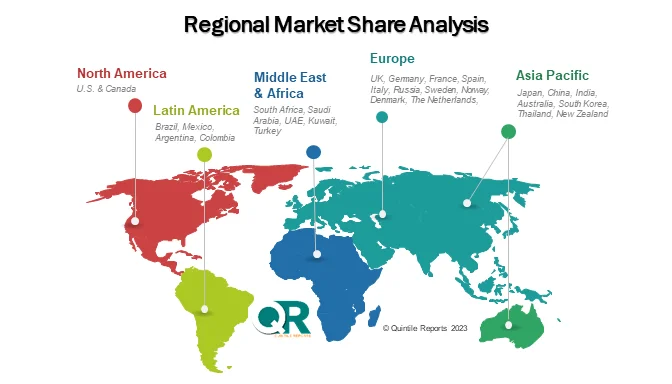
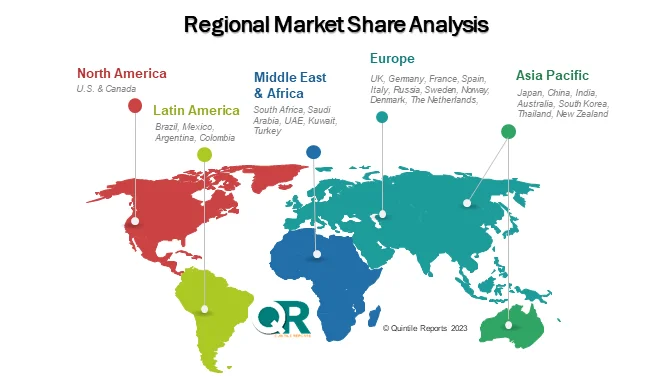
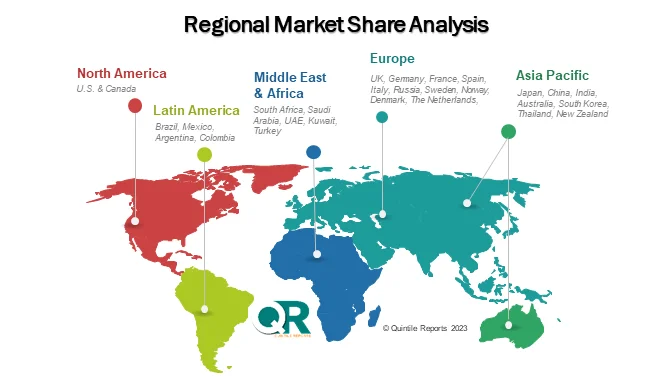
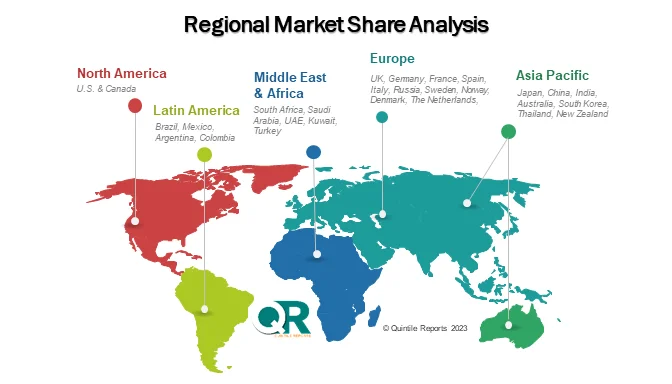
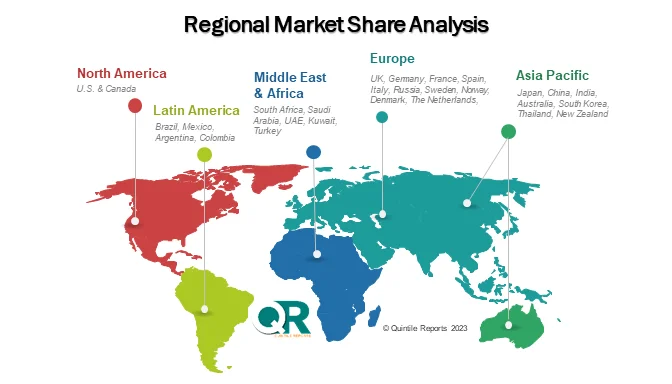
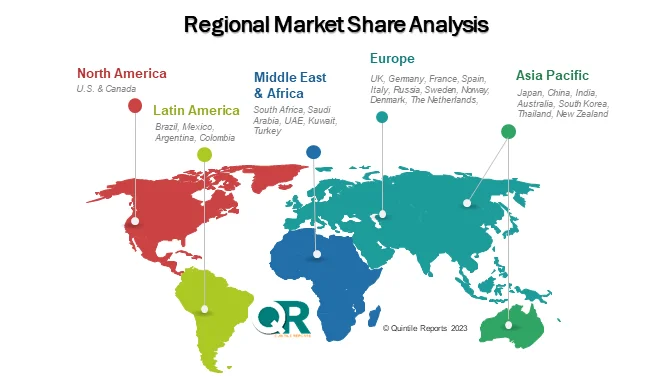
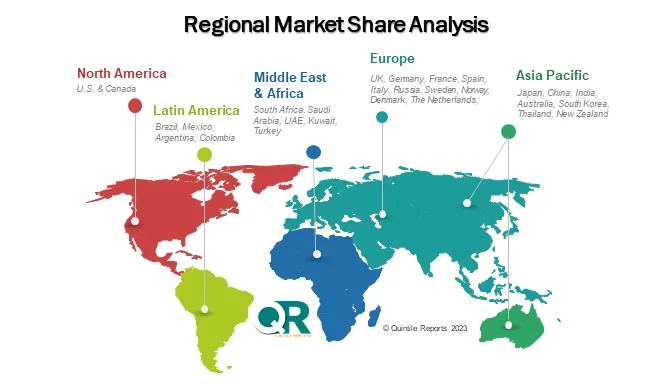
From a regional perspective, North America remains a dominant market due to advanced healthcare infrastructure, high awareness of infection control practices, and strong presence of leading manufacturers. The United States continues to drive demand across both disposable and reusable healthcare textile applications.
Europe follows closely, supported by strict healthcare regulations and growing emphasis on sustainable medical products. Countries such as Germany, the U.K., and France are investing in advanced medical facilities and eco-friendly textile solutions.
The Asia Pacific region is expected to witness the fastest growth over the forecast period. Rapid population growth, expanding healthcare access, and rising medical tourism in countries like China, India, and Japan are significantly boosting demand for healthcare fabrics. Government initiatives aimed at improving public healthcare infrastructure further strengthen regional market prospects.
Competitive Landscape
The healthcare fabrics market is highly competitive, with a mix of global leaders and regional players. Key companies operating in the market include Kimberly-Clark Corporation, Avgol Industries, Designtex, Brentano Inc., Maharam Fabric Corporation, Fitesa, Camira Fabrics, and Global Non Wovens Limited, among others. Market participants are focusing on product innovation, strategic partnerships, and capacity expansion to strengthen their market positions.
Outlook
Looking ahead, the healthcare fabrics market is expected to maintain steady growth through 2034, supported by continuous innovation, expanding healthcare needs, and increased awareness of hygiene and patient safety. Companies that invest in advanced materials, sustainable production practices, and adaptive go-to-market strategies are likely to gain a competitive advantage in this evolving landscape.
For a detailed analysis, forecasts, and competitive insights, the Healthcare Fabrics Market Research Report by Quintile Reports provides comprehensive coverage of global and regional trends shaping the industry’s future.
Our Latest Publication
Healthcare Fabrics Market Size Estimation, Share & Future Growth Trends Analysis, By Product (By Raw Material, Polypropylene, Cotton, Polyester, Viscose, Others, By Fabric Type, Non-woven, Woven, Knitted), By Application, By End Use, and Regional Analysis, 2024-2034
Our Latest News:
Air Preparation Equipment Market Poised for Robust Growth Through 2035

Adarsh
Business Strategy — Quintile Reports
Adarsh is a Business Strategy professional focused on transforming market insights into actionable growth plans. He supports strategic initiatives through market analysis, competitive intelligence, and data-driven decision-making to help drive long-term business success.
His core skills include strategic planning, market research, growth opportunity assessment, trend analysis, performance tracking, stakeholder communication, cross-functional collaboration, and critical problem-solving.