
The global fire protection system market is entering a phase of accelerated expansion, supported by tightening safety regulations,
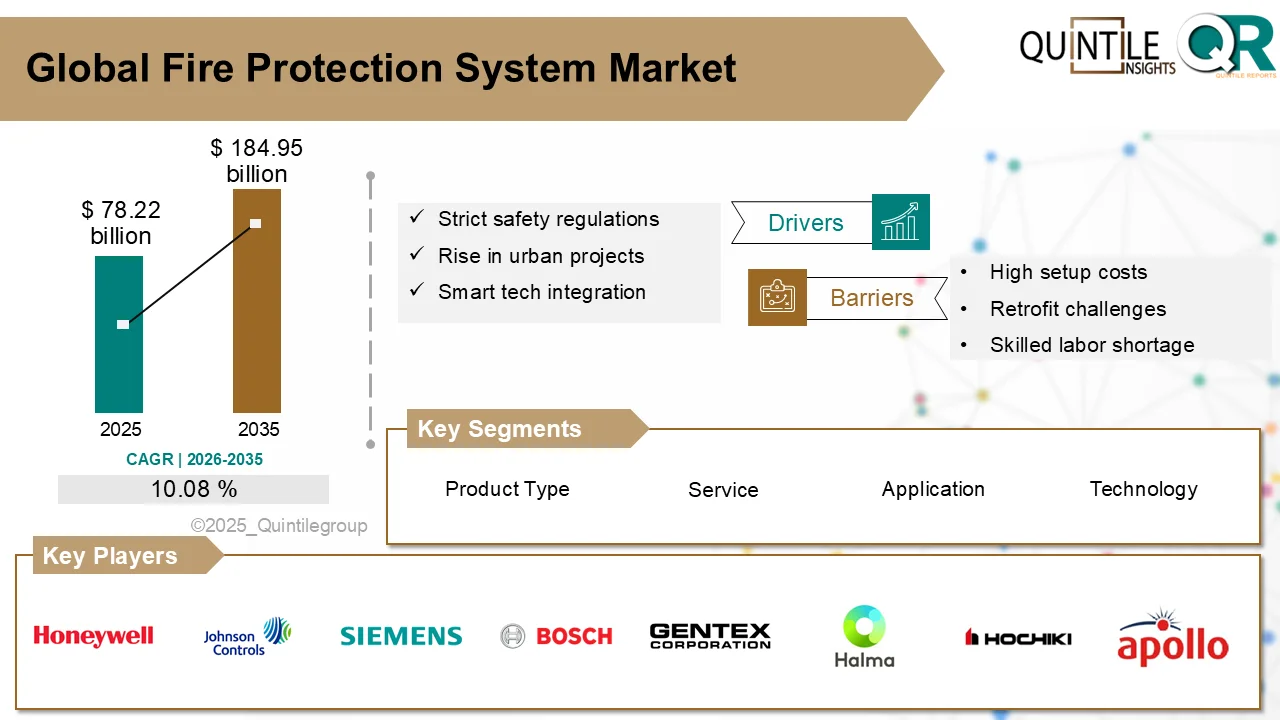
rapid urban development, and the integration of intelligent technologies across buildings and industrial facilities. Valued at USD 78.22 billion in 2025, the market is projected to reach USD 184.95 billion by 2035, growing at a strong compound annual growth rate (CAGR) of 10.08% during the forecast period.
Fire protection systems encompass a wide range of solutions designed to detect, control, suppress, and prevent fire-related incidents across residential, commercial, industrial, and institutional environments. These include fire detection systems, sprinklers, suppression technologies, fire alarms, extinguishers, and emergency response systems. Historically, adoption has been driven by mandatory building codes and insurance requirements; however, the market is now evolving rapidly with the adoption of smart, connected fire safety platforms.
Request Sample PDF Report: https://www.quintilereports.com/request-sample/1231-fire-protection-system-market/
One of the primary drivers of market growth is the increasing stringency of fire safety regulations worldwide. Governments and regulatory bodies are enforcing stricter building safety standards to minimize fire-related risks, making the installation of compliant fire protection systems mandatory in new construction and renovation projects. As infrastructure complexity grows, especially in high-rise and mixed-use developments, demand for integrated and automated fire safety solutions continues to rise.
Urbanization and large-scale construction activity, particularly in emerging economies, are further strengthening market demand. The expansion of smart cities, data centers, airports, manufacturing hubs, and commercial complexes requires advanced fire protection systems capable of real-time monitoring and rapid response. High-value assets and dense population environments have increased the need for intelligent fire safety infrastructure that reduces human intervention while improving reliability.
Place Order: https://www.quintilereports.com/request-enquiry/1231-fire-protection-system-market/
Technological advancements are playing a pivotal role in reshaping the competitive landscape. Modern fire protection systems increasingly incorporate IoT connectivity, artificial intelligence, cloud-based monitoring, and predictive maintenance capabilities. These innovations enable early threat detection, remote diagnostics, and proactive system management, significantly enhancing operational safety and lifecycle efficiency. As a result, smart fire protection solutions are gaining traction across industries such as oil & gas, manufacturing, healthcare, transportation, and energy.
Despite strong growth prospects, the market faces notable challenges. High installation and maintenance costs, particularly for advanced suppression and intelligent alarm systems, can be prohibitive for small and medium-sized enterprises. Retrofitting older buildings also presents technical complexities due to incompatible infrastructure and architectural constraints. Additionally, inconsistent fire safety regulations across regions increase compliance costs for manufacturers and service providers.
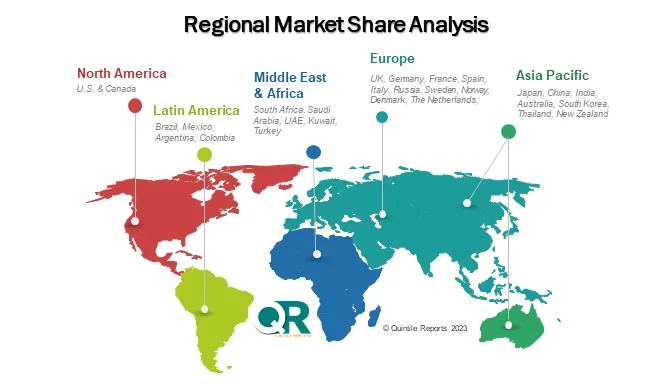
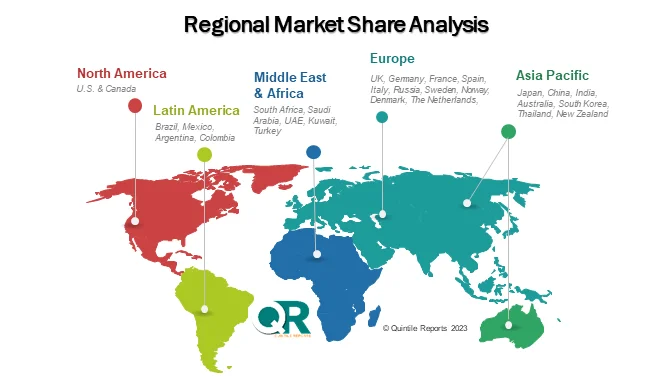
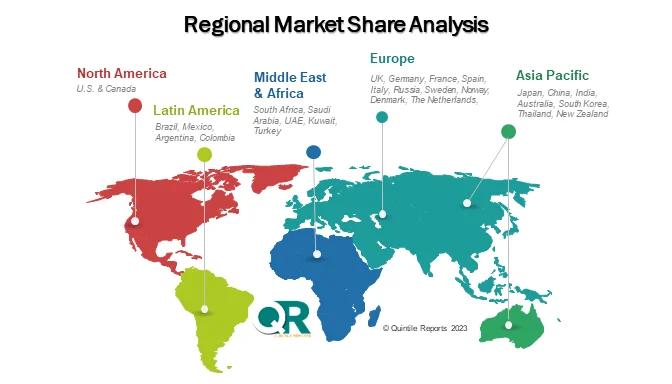
Regionally, North America holds a leading position in the global fire protection system market, supported by strict regulatory enforcement, smart building adoption, and strong presence of key industry players. Europe follows closely, driven by comprehensive building safety codes and energy-efficient retrofit initiatives. The Asia-Pacific region is expected to witness the fastest growth, fueled by rapid urbanization, industrial expansion, and rising awareness of fire safety in countries such as China, India, and Japan.
Country-level dynamics further highlight growth opportunities. In the United States, rising wildfire risks in wildland–urban interface areas are accelerating the adoption of advanced fire detection and suppression systems. Germany continues to lead the European market due to its strong industrial safety culture and rigorous regulatory framework, while Japan’s high urban density and strict compliance requirements are driving demand for technologically advanced fire protection solutions.
The competitive environment is increasingly shaped by system integration capabilities. Leading companies are focusing on unified platforms that combine detection, suppression, alarms, and building management systems into a single intelligent ecosystem. This integration improves response times, reduces downtime, and enhances regulatory compliance, offering long-term value to end users.
As fire risks evolve alongside urban and industrial growth, the fire protection system market is poised to remain a critical pillar of global safety infrastructure. Companies that prioritize innovation, digital integration, and flexible system design are expected to gain a competitive edge and shape the future of intelligent fire safety worldwide.
1. What is a fire protection system?
A fire protection system refers to a set of technologies and solutions designed to detect, control, suppress, and prevent fires. These systems include fire detection devices, alarm and notification systems, sprinklers, suppression systems, fire extinguishers, and integrated response controls used across residential, commercial, industrial, and institutional buildings.
2. What is the current size of the global fire protection system market?
The global fire protection system market was valued at USD 78.22 billion in 2025. It is expected to grow significantly over the next decade due to increasing safety regulations, infrastructure development, and technological advancements.
3. What is the projected growth rate of the fire protection system market?
The market is projected to grow at a compound annual growth rate (CAGR) of 10.08% between 2026 and 2035, reaching an estimated value of USD 184.95 billion by 2035.
4. What are the key factors driving market growth?
Major growth drivers include stringent fire safety regulations, rising urbanization, expansion of commercial and industrial infrastructure, increased awareness of fire-related risks, and the adoption of smart and IoT-enabled fire protection technologies.
5. Which product segments dominate the fire protection system market?
Fire detection systems, fire suppression systems, fire sprinkler systems, fire extinguishers, and fire alarm and response systems collectively form the core product segments. Fire detection and integrated alarm systems currently hold a significant share due to regulatory mandates and early-warning advantages.
6. How is technology influencing the fire protection system market?
Advanced technologies such as IoT, artificial intelligence, and cloud-based monitoring are transforming fire protection systems. These innovations enable real-time monitoring, predictive maintenance, remote diagnostics, and improved emergency response, enhancing overall system reliability and efficiency.
7. Which industries are the largest users of fire protection systems?
Key end-use industries include residential and commercial buildings, manufacturing, oil & gas, energy & power, transportation & logistics, healthcare, education, hospitality, and government facilities.
8. What are the major challenges faced by the market?
High installation and maintenance costs, technical difficulties in retrofitting older buildings, inconsistent global fire safety regulations, and the risk of false alarms are some of the key challenges restraining market growth.
9. Which region leads the global fire protection system market?
North America currently leads the market due to strict regulatory enforcement, widespread adoption of smart building technologies, and strong presence of major industry players. Europe follows closely, while Asia-Pacific is expected to register the fastest growth.
10. Why is the Asia-Pacific region growing rapidly in this market?
Rapid urbanization, infrastructure expansion, industrial growth, and increasing awareness of fire safety regulations in countries such as China, India, and Japan are driving strong demand for fire protection systems in the Asia-Pacific region.
Our Latest Publication
Fire Protection System Market 2026-2035
Our Latest News:
Live Biotherapeutic Products and Microbiome CDMO Market Poised for Rapid Expansion Through 2035

Adarsh
Business Strategy — Quintile Reports
Adarsh is a Business Strategy professional focused on transforming market insights into actionable growth plans. He supports strategic initiatives through market analysis, competitive intelligence, and data-driven decision-making to help drive long-term business success.
His core skills include strategic planning, market research, growth opportunity assessment, trend analysis, performance tracking, stakeholder communication, cross-functional collaboration, and critical problem-solving.