
The global cargo drones industry is entering a phase of accelerated growth as advancements in unmanned aerial vehicle (UAV) technology, supportive regulatory frameworks, and rising demand for fast, flexible logistics solutions reshape the future of goods transportation.
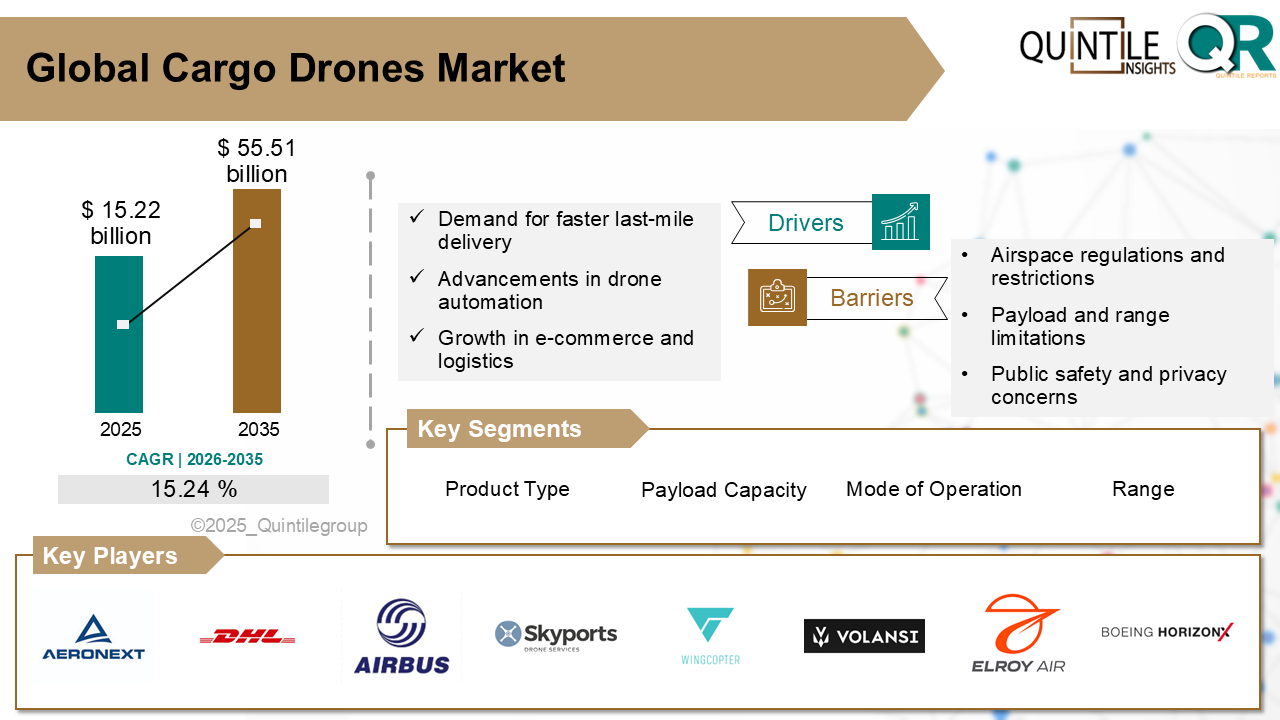
According to Quintile Research analysis, the market was valued at USD 15.22 billion in 2025 and is projected to reach USD 55.51 billion by 2035, expanding at a robust compound annual growth rate (CAGR) of 15.24% during the forecast period from 2026 to 2035.
Cargo drones, designed to transport goods ranging from lightweight parcels to heavy industrial payloads, are increasingly being adopted across commercial, humanitarian, industrial, and defense applications. Their ability to bypass road congestion, reduce delivery times, and access remote or high-risk locations makes them a compelling alternative to traditional logistics methods. As global supply chains evolve, these aerial platforms are becoming an integral component of next-generation delivery networks.
One of the primary growth drivers is the rising need for rapid and time-sensitive delivery, particularly in healthcare, e-commerce, and emergency response. Drones enable direct point-to-point transport, significantly reducing transit time for medical supplies, vaccines, blood samples, and critical equipment. In regions with challenging terrain or limited infrastructure, this capability is proving transformative, especially during disaster relief operations and humanitarian missions.
Request Sample PDF Report: https://www.quintilereports.com/request-sample/1145-cargo-drones-market/
Technological advancements are further strengthening market momentum. Improvements in battery efficiency, navigation systems, autonomous flight controls, and payload capacity have enhanced drone reliability and operational range. Modern cargo drones are now capable of flying longer distances with greater accuracy, while onboard sensors and obstacle-avoidance systems improve safety in both urban and rural environments. These innovations have expanded use cases into sectors such as mining, oil and gas, construction, and defense logistics.
However, despite strong growth prospects, the industry faces notable challenges. Regulatory constraints remain a key hurdle, as airspace management, flight approvals, and safety compliance vary widely across countries. In many urban regions, strict regulations on altitude, visibility, and beyond-visual-line-of-sight (BVLOS) operations limit large-scale deployment. Additionally, infrastructure requirements such as launch pads, charging stations, and maintenance hubs are still under development in many markets.
Payload limitations and weather sensitivity also restrict certain applications. While heavy-lift drones are emerging, most commercially deployed systems still have constraints on cargo weight and endurance, particularly in adverse weather conditions. High initial investment costs, including hardware, software, insurance, and regulatory compliance, may further slow adoption among small and mid-sized enterprises.
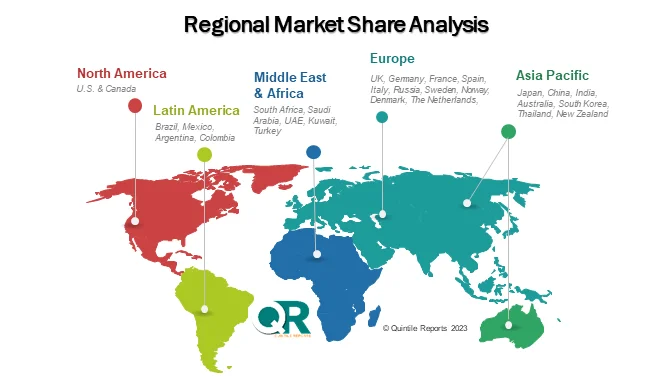
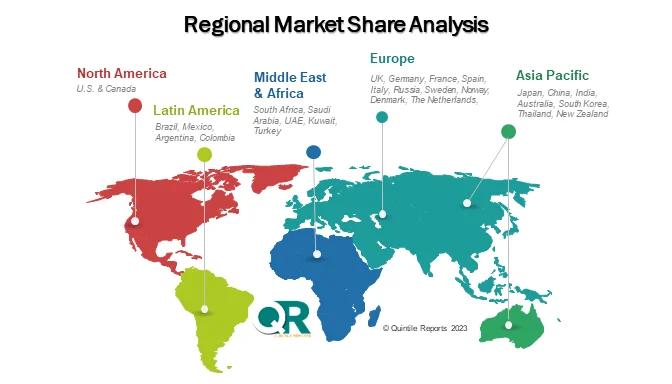
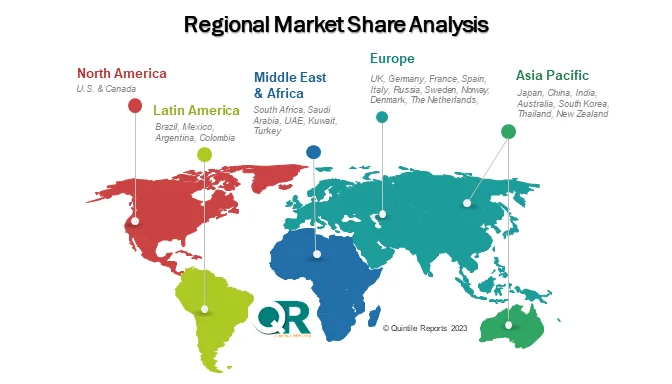
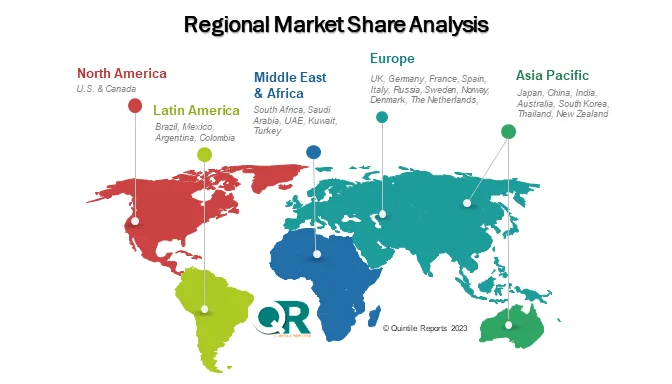
From a regional perspective, North America currently leads the market, driven by extensive pilot programs and strong investment from logistics providers, technology firms, and government agencies. In the United States, regulatory support from the Federal Aviation Administration (FAA) has enabled real-world testing and accelerated commercialization, particularly for last-mile delivery and medical logistics.
Europe is witnessing steady progress, supported by structured regulatory frameworks and government-backed innovation initiatives. Countries such as Germany, the United Kingdom, and France are focusing on industrial logistics, cross-border medical delivery, and smart city integration. Meanwhile, Asia-Pacific represents the fastest-growing regional market, fueled by rapid industrialization, large-scale infrastructure development, and strong manufacturing capabilities in countries such as China, Japan, and South Korea.
Emerging markets in Latin America, the Middle East, and Africa are also gaining traction, particularly in healthcare delivery and rural connectivity. In regions where road infrastructure is limited, drones are increasingly viewed as a practical solution to improve access to essential goods and services.
The competitive landscape includes a mix of established aerospace companies, logistics providers, and innovative startups. Key players are investing in partnerships, autonomous flight software, and drone-as-a-service models to reduce entry barriers for end users. Companies that demonstrate operational reliability, regulatory compliance, and scalable deployment capabilities are expected to gain a competitive edge as the market transitions from pilot projects to commercial-scale operations.
Overall, Quintile Research expects cargo drones to play a pivotal role in redefining global logistics over the next decade. As regulations mature and technology continues to advance, aerial cargo transport is poised to become a mainstream solution, supporting faster, greener, and more resilient supply chains worldwide.
Our Latest Publication
Cargo Drones Market Size Estimation, Share & Future Growth Trends Analysis, By Type (Fixed-Wing, Rotary-Wing, Hybrid), By Payload Capacity, By Range, By Application and Regional Analysis, 2026-2035
Our Latest News:
Intralogistics Market Set for Accelerated Expansion as Automation and Smart Warehousing Gain Momentum Through 2035

Adarsh
Business Strategy — Quintile Reports
Adarsh is a Business Strategy professional focused on transforming market insights into actionable growth plans. He supports strategic initiatives through market analysis, competitive intelligence, and data-driven decision-making to help drive long-term business success.
His core skills include strategic planning, market research, growth opportunity assessment, trend analysis, performance tracking, stakeholder communication, cross-functional collaboration, and critical problem-solving.