
The global healthcare and biopharmaceutical industry is entering a transformative decade, with biologics, gene therapies, and advanced therapeutics redefining modern medicine.
At the core of this revolution lies a critical but often underappreciated pillar—biological safety testing.
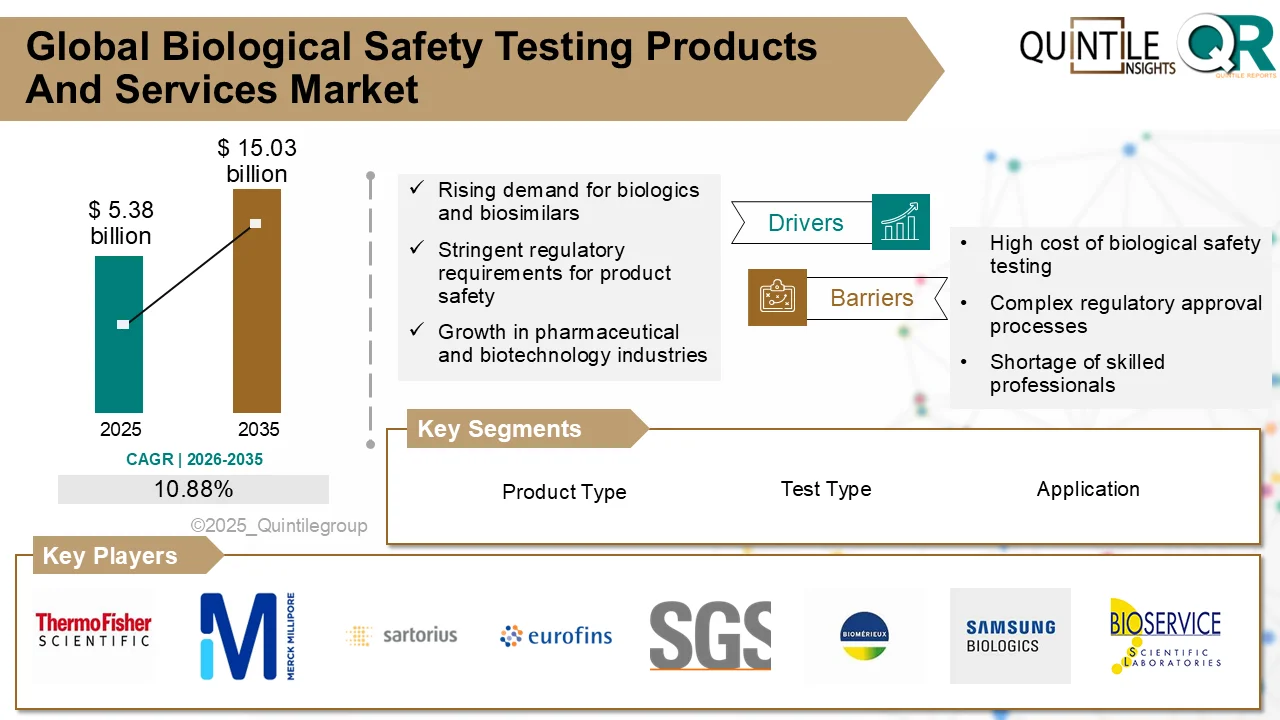
According to recent industry insights, the Biological Safety Testing Products and Services Market is projected to grow from USD 5.38 billion in 2025 to USD 15.03 billion by 2035, registering a strong CAGR of 10.88%. This impressive growth reflects not just rising demand, but the increasing complexity and criticality of ensuring safety in next-generation therapeutics.
Request Sample PDF Report: https://www.quintilereports.com/request-sample/1214-biological-safety-testing-products-and-services-market/
📊 The Backbone of Biologics: Why Safety Testing Matters
Biological safety testing ensures that biologics—such as vaccines, monoclonal antibodies, gene therapies, and cell-based products—are safe, pure, and compliant with regulatory standards.
Unlike traditional small-molecule drugs, biologics are derived from living organisms, making them more complex and sensitive to contamination. Even a minor impurity or microbial presence can lead to severe consequences, including product recalls, financial losses, or patient safety risks.
Key testing areas include:
-
Sterility testing
-
Endotoxin detection
-
Viral clearance validation
-
Bioburden testing
-
Adventitious agent detection
-
Residual host cell contamination analysis
These tests are not optional—they are mandatory checkpoints enforced by global regulatory bodies, ensuring product integrity across development and commercialization.
Limited-Time Discount Available: https://www.quintilereports.com/request-discount/1214-biological-safety-testing-products-and-services-market/
🚀 Market Drivers Fueling Rapid Growth
1. Explosion of Biologics and Advanced Therapies
Biologics now account for over 35% of the global pharmaceutical pipeline, with approvals increasing year after year. Advanced therapies such as cell and gene therapies are growing at over 20% CAGR, significantly increasing demand for specialized safety testing.
Each biologic product requires multi-layered testing protocols, often repeated across different stages—from early development to final batch release.
2. Stringent Global Regulatory Landscape
Regulatory agencies such as the FDA, EMA, and PMDA enforce strict biosafety requirements. Every batch of biologics must pass rigorous testing standards before reaching patients.
These regulatory frameworks are continuously evolving, requiring companies to stay updated with:
-
Changing compliance guidelines
-
Advanced testing methodologies
-
Cross-border regulatory differences
As a result, safety testing has become a non-negotiable investment rather than a discretionary expense.
Buying Now: https://www.quintilereports.com/request-enquiry/1214-biological-safety-testing-products-and-services-market/
3. Rising Cost of Failure
A single contaminated biologics batch can result in losses exceeding USD 500 million, including production costs, regulatory penalties, and reputational damage.
This risk has shifted industry perception—biological safety testing is no longer viewed as a cost center but as a strategic safeguard for business continuity.
4. Technological Advancements Accelerating Efficiency
Innovation is reshaping the landscape of biosafety testing:
-
Next-Generation Sequencing (NGS) for faster detection
-
AI-driven analytics for predictive insights
-
Automation & high-throughput systems reducing turnaround times
These advancements are cutting testing timelines by up to 30–40%, enabling faster product releases without compromising safety.
⚠️ Challenges Hindering Market Expansion
Despite strong growth, the market faces several structural challenges:
High Testing Costs
Comprehensive safety testing can account for 15–25% of total biologics development costs, posing challenges for smaller biotech firms and startups.
Regulatory Fragmentation
Different requirements across regions (U.S., Europe, Asia) create compliance complexity, often delaying product approvals and increasing operational burdens.
Skilled Workforce Shortage
The demand for trained biosafety professionals is outpacing supply, with an estimated 20–30% talent gap expected by 2030.
Market Saturation in Developed Regions
North America and Western Europe are highly competitive, making it difficult for new entrants to establish a foothold.
🌍 Regional Insights: Where Growth Opportunities Lie
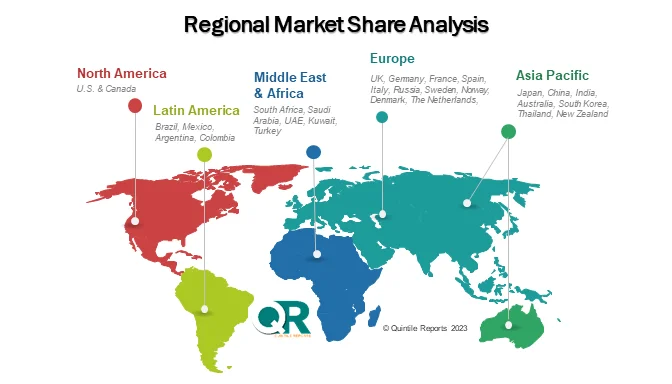
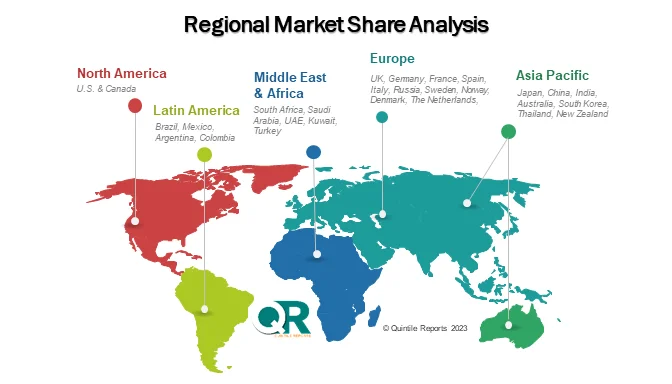
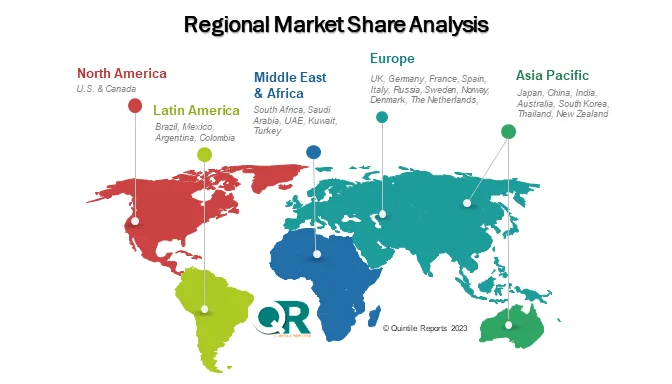
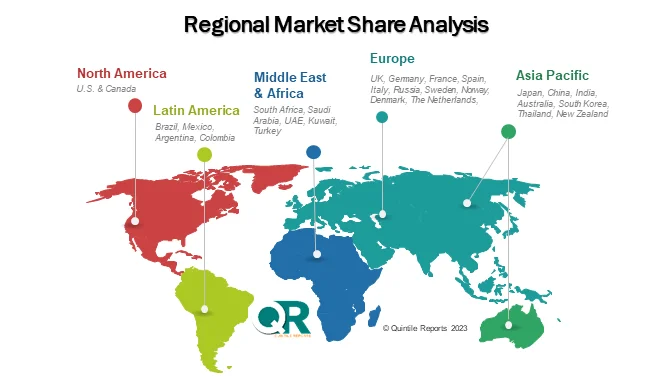
North America – Market Leader
North America dominates with over 40% market share, driven by:
-
Strong regulatory enforcement
-
High R&D investments
-
Advanced technological adoption
The U.S., in particular, remains the epicenter of biologics innovation and safety testing demand.
Europe – Innovation Meets Regulation
Countries like Germany and Switzerland are leading hubs, supported by:
-
EMA-driven compliance frameworks
-
Robust biosimilar pipelines
-
Strong academic-industry collaboration
Asia Pacific – Fastest Growing Region
Asia Pacific is expanding at 10–12% CAGR, fueled by:
-
Rapid growth in biologics manufacturing
-
Increasing clinical trial activity
-
Cost-efficient outsourcing opportunities
India and China are emerging as key players in contract testing and manufacturing.
Emerging Markets – Untapped Potential
Latin America and the Middle East & Africa are witnessing gradual growth, driven by:
-
Healthcare infrastructure development
-
Rising awareness of biosafety standards
-
Government-led modernization initiatives
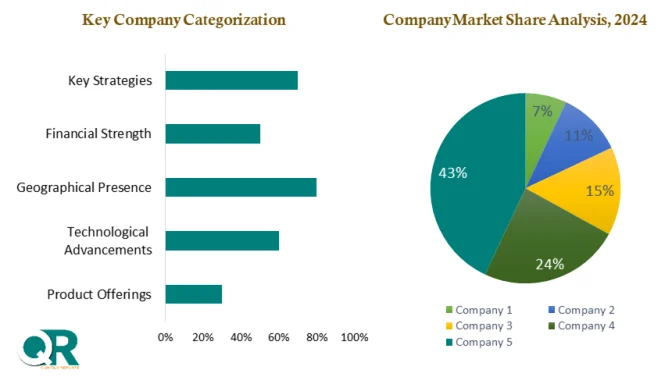
🏢 Competitive Landscape: Innovation as a Differentiator
The biological safety testing market is highly competitive and expertise-driven. Key players are focusing on:
-
End-to-end testing solutions
-
Faster turnaround times
-
Advanced analytics integration
-
Strategic collaborations with CDMOs and CROs
Companies that offer integrated testing platforms—from raw material testing to final product validation—are gaining a competitive edge.
🔬 Emerging Trends Shaping the Future
Integration of AI and Data Analytics
AI is enabling predictive risk assessment, reducing testing redundancies, and improving decision-making.
Outsourcing to Specialized Providers
Biopharma companies are increasingly partnering with CROs and CDMOs to:
-
Reduce operational costs
-
Access specialized expertise
-
Accelerate time-to-market
Shift Toward Personalized Medicine
As personalized therapies grow, safety testing requirements are becoming more customized and complex, creating new opportunities for niche service providers.
🔮 Future Outlook: A Decade of Transformation
Looking ahead to 2035, the biological safety testing market is expected to maintain strong growth momentum, driven by:
-
Continuous innovation in biologics
-
Increasing regulatory scrutiny
-
Expansion of global healthcare systems
Organizations that prioritize technology adoption, regulatory compliance, and strategic partnerships will be best positioned to capitalize on this growth.
1. What is driving the growth of the Biological Safety Testing Market?
The market is primarily driven by the rapid expansion of biologics, increasing regulatory requirements, and advancements in testing technologies such as AI and next-generation sequencing (NGS).
2. What is the expected market size by 2035?
The Biological Safety Testing Products and Services Market is projected to reach USD 15.03 billion by 2035, growing at a CAGR of 10.88%.
3. Why is biological safety testing important in pharmaceuticals?
It ensures that biologics and advanced therapies are safe, free from contamination, and compliant with regulatory standards, thereby protecting patient health and maintaining product quality.
4. Which types of testing are included in biological safety testing?
Key testing types include sterility testing, endotoxin testing, viral clearance, bioburden analysis, and detection of adventitious agents.
5. What role does technology play in this market?
Technologies like automation, AI, and next-generation sequencing improve testing accuracy, reduce turnaround times, and enhance overall efficiency.
6. What are the major challenges in this market?
High testing costs, regulatory differences across regions, and a shortage of skilled professionals are the key challenges affecting market growth.
7. Which region leads the global market?
North America leads the market due to strong regulatory frameworks, high R&D investments, and advanced healthcare infrastructure.
8. Which region is growing the fastest?
The Asia-Pacific region is the fastest-growing market, driven by expanding biologics manufacturing and increasing outsourcing activities.
9. Who are the key players in the market?
Major players include Charles River Laboratories, Thermo Fisher Scientific, Merck KGaA, Sartorius AG, Eurofins Scientific, Lonza Group, and WuXi AppTec.
10. What is the future outlook for this market?
The market is expected to grow steadily through 2035, supported by increasing demand for biologics, ongoing innovation, and stricter regulatory compliance requirements.
Our Latest Publication:
Biological Safety Testing Products and Services Market (2026 – 2035)
Steel Tubes Market to Reach USD 123.41 Billion by 2035, Driven by Infrastructure and Industrial Growth

Adarsh
Business Strategy — Quintile Reports
Adarsh is a Business Strategy professional focused on transforming market insights into actionable growth plans. He supports strategic initiatives through market analysis, competitive intelligence, and data-driven decision-making to help drive long-term business success.
His core skills include strategic planning, market research, growth opportunity assessment, trend analysis, performance tracking, stakeholder communication, cross-functional collaboration, and critical problem-solving.