
The global automotive composites market is undergoing a significant transformation as vehicle manufacturers increasingly prioritize lightweight materials, electrification, and sustainability. Once confined largely to premium or performance-focused vehicles
Automotive composites are now becoming integral to mainstream passenger cars, commercial vehicles, and electric mobility platforms. This shift reflects changing regulatory requirements, evolving consumer expectations, and rapid advances in composite manufacturing technologies.
Automotive composites are engineered materials made by combining fibers such as glass, carbon, or natural fibers with resin systems including thermosets and thermoplastics. These materials deliver high strength-to-weight ratios, corrosion resistance, dimensional stability, and design flexibility—characteristics that make them well suited for modern vehicle architectures. As automakers face growing pressure to reduce emissions and improve fuel efficiency, composites are increasingly favored over traditional materials such as steel and aluminum.
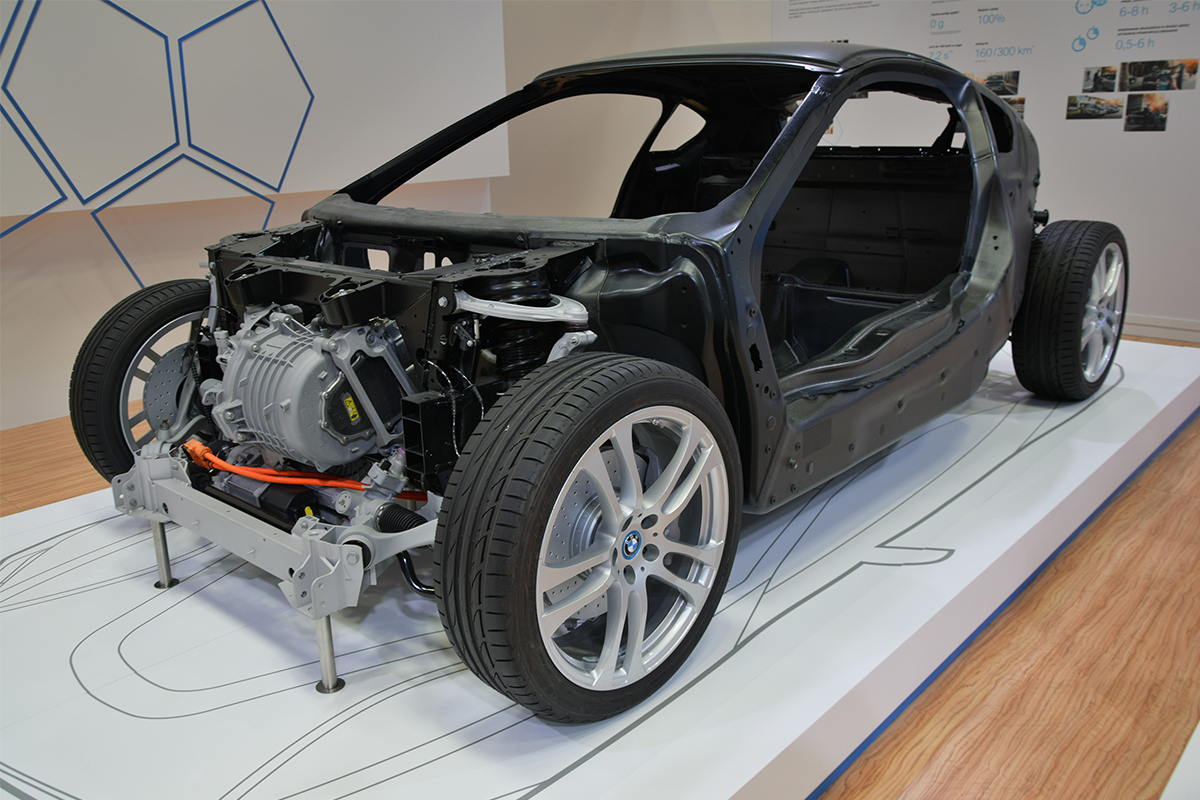
Automotive composites are increasingly used in modern vehicles to support lightweight design, improved efficiency, and sustainability goals.
Request Sample PDF Report: https://www.quintilereports.com/request-sample/799-automotive-composites-market/
The market’s evolution has been gradual but decisive. Early adoption of composites focused on niche applications aimed at reducing weight in high-end vehicles. Over time, improvements in processing methods, automation, and material consistency have enabled broader use across semi-structural and structural components. Today, composites are embedded at the design stage of vehicle development, rather than being treated as replacement materials later in the production cycle. This approach improves structural efficiency and helps manufacturers control long-term costs.
One of the strongest growth drivers for the automotive composites market is the global push toward vehicle lightweighting. Reducing vehicle mass directly improves fuel efficiency and lowers emissions in internal combustion engine vehicles. In electric vehicles (EVs), lightweight materials deliver even greater value by extending driving range, enabling smaller battery packs, and improving overall energy efficiency. As EV adoption accelerates worldwide, composites are playing a critical role in battery enclosures, underbody shields, and load-bearing structures.
Manufacturing innovation is also reshaping the competitive landscape. Advanced techniques such as automated fiber placement, resin transfer molding, compression molding, and high-speed curing processes are reducing cycle times and improving production consistency. These developments narrow the historical cost gap between composites and metals, making large-scale adoption more viable. At the same time, increased supplier investment in localized production facilities enhances supply chain resilience and responsiveness to regional demand.
Sustainability considerations are further accelerating market momentum. Governments and regulators are tightening emissions standards while emphasizing lifecycle impact and recyclability. This has fueled interest in thermoplastic composites and natural fiber systems, which offer improved end-of-life recovery compared to traditional thermoset materials. Automakers are increasingly evaluating composites not only for performance benefits, but also for their environmental footprint and alignment with circular economy principles.
From a segmentation perspective, glass fiber composites continue to hold the largest market share due to their balance of strength, affordability, and versatility. They are widely used in exterior panels, underbody components, and semi-structural applications. Carbon fiber composites occupy the premium segment, offering exceptional weight savings and performance benefits, particularly in electric and high-performance vehicles. Natural fiber composites are gaining traction in interior applications, driven by sustainability goals and consumer preference for eco-friendly materials.
Regionally, Asia Pacific represents the largest and fastest-growing automotive composites market, supported by high vehicle production volumes in countries such as China, India, and Japan. China’s rapid expansion of electric vehicle manufacturing is significantly boosting demand for lightweight composite solutions. North America remains a key market, with strong adoption in pickup trucks, SUVs, and EV platforms, while Europe leads in sustainability-driven composite innovation, supported by strict emissions regulations and strong research ecosystems.
Despite its strong growth outlook, the market faces challenges. Recycling composites remains complex and cost-intensive, particularly for thermoset materials. High capital investment requirements, skilled labor shortages, and regulatory compliance costs also pose barriers to entry and expansion. However, ongoing research into recyclable materials, automation, and hybrid composite systems is expected to mitigate these constraints over time.
Overall, the automotive composites market is transitioning from a supplementary materials segment to a foundational component of vehicle manufacturing. As electrification, lightweighting, and sustainability converge, composites are set to play an increasingly strategic role in shaping the next generation of vehicles, offering long-term growth opportunities for material suppliers, manufacturers, and technology innovators alike.
Our Latest Publication
Automotive Composites Market Size Estimation, Share & Future Growth Trends Analysis, By Product (Polymer Matrix Composites, Metal Matrix Composites, Ceramic Matrix Composites, Others), By Application, By End Use, and Regional Analysis, 2024-2034

Adarsh
Business Strategy — Quintile Reports
Adarsh is a Business Strategy professional focused on transforming market insights into actionable growth plans. He supports strategic initiatives through market analysis, competitive intelligence, and data-driven decision-making to help drive long-term business success.
His core skills include strategic planning, market research, growth opportunity assessment, trend analysis, performance tracking, stakeholder communication, cross-functional collaboration, and critical problem-solving.