
The global recreational vehicles (RV) market is entering a strong growth phase, driven by changing travel preferences, rising outdoor tourism, and increasing demand for flexible and sustainable mobility solutions.
According to a recent study released by HTF Market Intelligence, the global recreational vehicles market is projected to expand at a compound annual growth rate (CAGR) of 9.9% between 2026 and 2033, growing from a valuation of USD 7.2 billion in 2026 to approximately USD 15.8 billion by 2033.
Recreational vehicles, which include motorhomes, campervans, caravans, and expedition vehicles, are primarily used for leisure travel and mobile living. Their popularity has surged as consumers increasingly seek experiential travel, remote work flexibility, and self-contained accommodation options. In Europe, which currently dominates the global market, growth is fueled by strong tourism activity, an established camping culture, and rising demand for premium, technologically advanced, and environmentally responsible RV models.
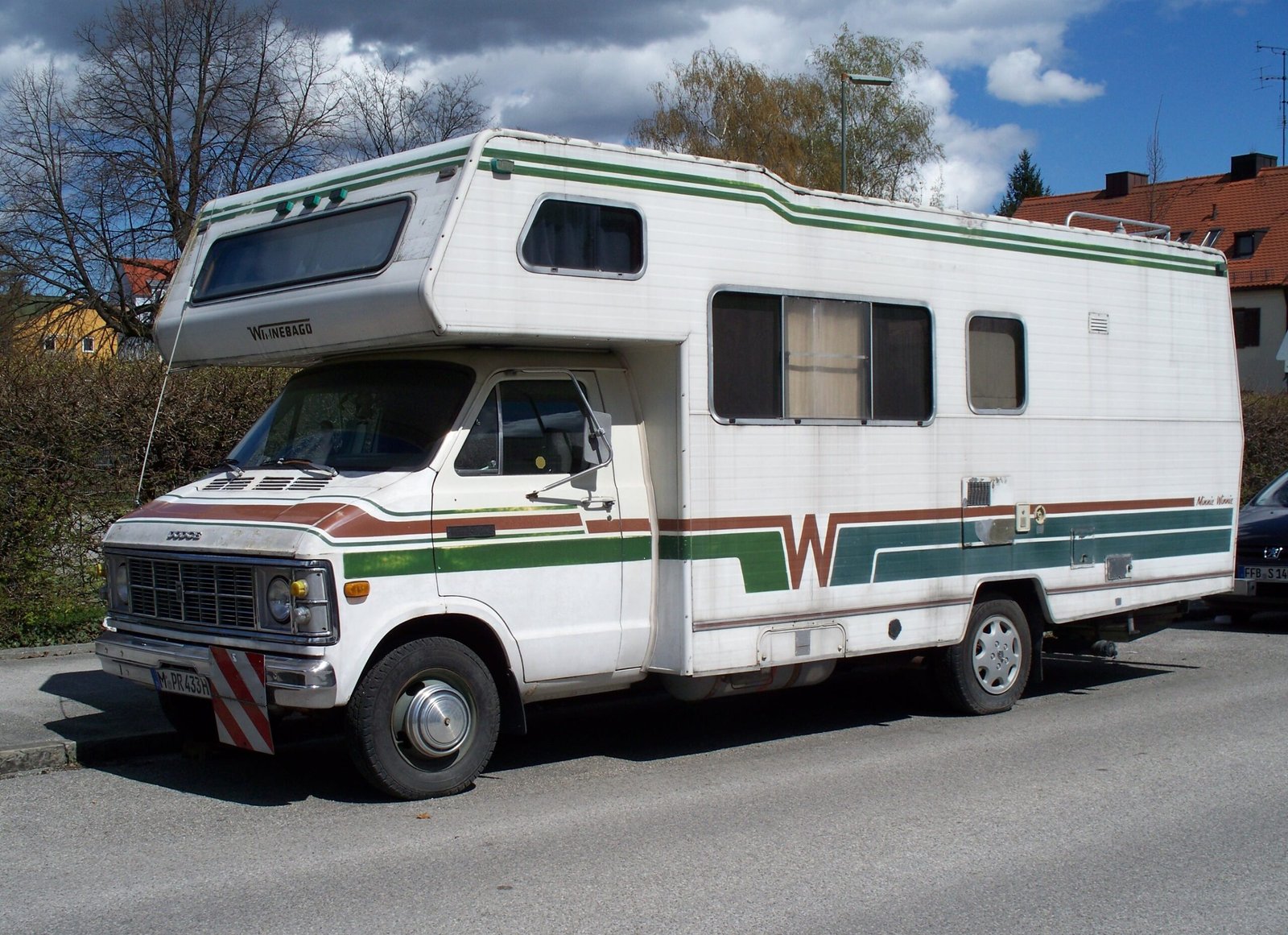
The global recreational vehicles market is expanding rapidly as consumers embrace campervans, motorhomes, and eco-friendly RVs for leisure travel, mobile living, and adventure tourism.
Request Sample PDF Report: https://www.quintilereports.com/request-sample/804-recreational-vehicles-market/
The market is segmented by vehicle type into campervans, motorhomes, caravan trailers, pop-top RVs, and expedition vehicles. Campervans and motorhomes continue to gain traction due to their compact design, improved fuel efficiency, and adaptability for both short trips and long-distance travel. Expedition vehicles are also seeing rising interest among adventure and overlanding enthusiasts who require off-grid capability and rugged performance.
By application, leisure travel remains the largest segment, followed by mobile living and remote work, tourism rental fleets, seasonal hospitality, and adventure tourism. The growing acceptance of remote work across Europe has significantly boosted demand for RVs as mobile living spaces, allowing professionals to combine work with travel. Additionally, tourism operators and rental fleets are increasingly investing in modern RVs to meet demand from domestic and international travelers.
Several notable trends are reshaping the recreational vehicles market. One of the most prominent is the shift toward electric and hybrid RVs, driven by tightening emission regulations and rising environmental awareness. Manufacturers are also integrating smart and connected features, such as advanced navigation systems, energy management software, and remote monitoring, to enhance user convenience and safety. The use of lightweight materials is expanding to improve fuel efficiency and vehicle performance, while the integration of solar panels is enabling off-grid functionality and reducing dependence on external power sources.
Despite its strong growth outlook, the market faces several challenges. High purchase and maintenance costs remain a significant barrier, particularly for first-time buyers. Stringent European Union emission norms require continuous investment in research and development, increasing costs for manufacturers. Seasonal demand fluctuations and competition from alternative leisure travel options, such as cruises and short-haul flights, also pose constraints on consistent market expansion.
However, the market presents substantial opportunities. The growing popularity of eco-tourism and domestic travel across Europe is creating new demand for sustainable and off-grid RV solutions. Collaborations between RV manufacturers, rental companies, and campsite operators are enhancing market reach and improving customer experience. Additionally, the development of technologically advanced, energy-efficient, and customizable RV models is expected to attract a broader consumer base.
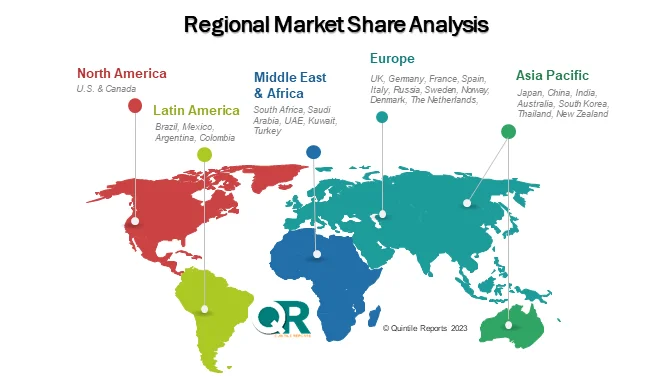
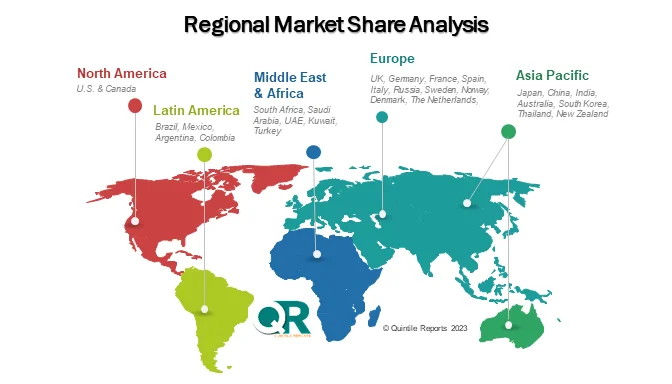
Europe is identified as both the dominating and fastest-growing region in the recreational vehicles market. Countries such as Germany, France, Italy, Spain, and the Nordics play a critical role due to their well-developed tourism infrastructure and strong consumer interest in outdoor lifestyles. Other regions, including North America and Asia-Pacific, are also witnessing steady growth, supported by rising disposable incomes, expanding tourism sectors, and increasing awareness of RV-based travel.
Key players operating in the global recreational vehicles market include Hymer, Adria, Knaus Tabbert, Dethleffs, Bürstner, Rapido, Swift Group, Laika, Pilote, Rimor, Trigano, Carthago, and Benimar, among others. These companies are focusing on product innovation, strategic partnerships, and sustainability initiatives to strengthen their market position.
Overall, the recreational vehicles market is evolving rapidly, shaped by lifestyle changes, technological advancements, and sustainability priorities. With strong growth prospects through 2033, the sector is set to play an increasingly important role in the global travel and mobility ecosystem.
Our Latest Publication
Recreational Vehicles Market Size Estimation, Share & Future Growth Trends Analysis, By Product (Towable RVs, Motorhomes, Other), By Application, By End Use, and Regional Analysis, 2024-2034
Our Latest News:
Ultrafast Laser Precision Processing Market Set for Transformative Growth Through 2033

Adarsh
Business Strategy — Quintile Reports
Adarsh is a Business Strategy professional focused on transforming market insights into actionable growth plans. He supports strategic initiatives through market analysis, competitive intelligence, and data-driven decision-making to help drive long-term business success.
His core skills include strategic planning, market research, growth opportunity assessment, trend analysis, performance tracking, stakeholder communication, cross-functional collaboration, and critical problem-solving.