

The global Biorational Pesticides Market is witnessing significant transformation as agriculture steadily shifts toward sustainable and environmentally responsible crop protection solutions.
Rising awareness of the ecological and health risks associated with synthetic chemical pesticides has prompted farmers, governments, and agribusinesses worldwide to adopt safer alternatives. As a result, biorational pesticides—derived largely from natural sources—are emerging as a critical component of modern agricultural practices.
Biorational pesticides are defined as pest-control products that originate from natural or biologically based materials and pose minimal risk to humans, animals, and the environment. According to standards set by regulatory bodies such as the U.S. Environmental Protection Agency (EPA), these pesticides offer targeted action against specific pests while preserving beneficial organisms and surrounding ecosystems. This selective mechanism makes them especially suitable for integrated pest management (IPM) systems and organic farming operations.

The market comprises a diverse range of products, including botanical pesticides, microbial pesticides, mineral-based solutions, and selected synthetic compounds such as plant growth regulators. Botanical pesticides are derived from plant extracts like neem oil, pyrethrin, azadirachtin, and Chenopodium ambrosioides. While these products are effective, their susceptibility to degradation from light and air limits their shelf life. Nevertheless, many botanical formulations are classified as minimum-risk pesticides and are exempt from lengthy registration processes in several regions, which supports faster commercialization.
Microbial pesticides represent another fast-growing segment within the biorational pesticides market. These products are developed using naturally occurring microorganisms such as Bacillus thuringiensis and Beauveria bassiana. They are widely valued for their high specificity and reduced environmental footprint. Mineral-based biorational pesticides, including kaolin clay and copper hydroxide, also play a role in pest management, particularly in controlling fungal and insect infestations. In addition, certain synthetic biorational compounds, such as insect growth regulators, are used to enhance plant immunity and disrupt pest life cycles without causing long-term ecological damage.
One of the defining advantages of biorational pesticides is their precision. Unlike broad-spectrum chemical pesticides, biorational solutions target specific insects or pathogens while leaving non-target species unharmed. However, this selectivity requires accurate pest identification and proper application techniques, making farmer education and technical support essential for successful adoption.
From an application perspective, foliar spray remains the most widely used method due to its efficiency, cost-effectiveness, and ability to deliver quick results. Soil treatment and trunk injection methods are also gaining traction, particularly for high-value crops and perennial plantations. Biorational pesticides are available in both liquid and dry formulations, offering flexibility across different farming systems.
Market growth is further supported by favorable regulatory frameworks and government initiatives. In countries such as India, regulatory authorities have introduced simplified guidelines to accelerate the registration of biorational pesticides, encouraging manufacturers and farmers to shift away from chemical alternatives. Similarly, in regions like California, conventional insecticides—especially organochlorines—are increasingly being replaced with biorational insecticides to reduce environmental and public health risks.
Despite strong growth drivers, the market faces certain challenges. The relatively short shelf life of many biorational products can limit storage and distribution efficiency, particularly in regions with underdeveloped cold-chain infrastructure. Addressing formulation stability and improving product longevity remain key focus areas for manufacturers.
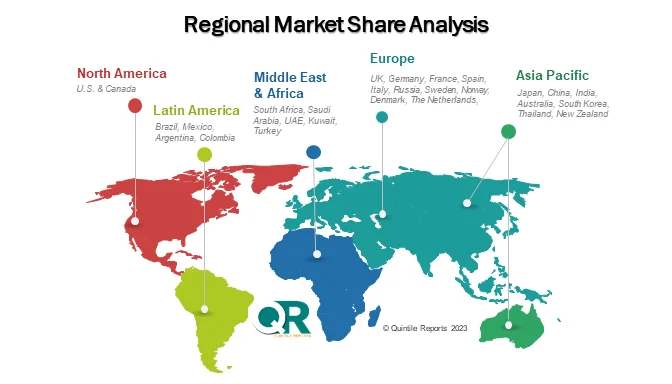
Regionally, North America is expected to remain a leading market due to high awareness of sustainable farming practices, growing demand for organic produce, and strict environmental regulations. The Asia-Pacific region is also emerging as a high-growth market, driven by large agricultural output, increasing farmer education, and supportive government policies.
Major players operating in the global biorational pesticides market include Valent BioSciences, Bayer, Monsanto BioAg, BASF, DowDuPont, and Syngenta. Continuous product innovation is shaping competitive dynamics. For instance, Valent BioSciences recently introduced MetaLarv XRP, a mosquito-control solution utilizing advanced triple-release technology to disrupt breeding cycles and reduce disease transmission risks.
Looking ahead, advancements such as nanotechnology-based formulations and deeper integration of biorational pesticides into IPM strategies are expected to further strengthen market prospects. As agriculture continues to balance productivity with environmental responsibility, biorational pesticides are poised to play an increasingly vital role in shaping the future of global crop protection.
Our Latest Publication
Biorational Insecticides Market Market Size Estimation, Share & Future Growth Trends Analysis, By Product (Botanical Products, Microbial Pesticides, Semiochemicals), By Application, By End Use, and Regional Analysis, 2024-2032
Our Latest News:
Ultrafast Laser Precision Processing Market Set for Transformative Growth Through 2033

Adarsh
Business Strategy — Quintile Reports
Adarsh is a Business Strategy professional focused on transforming market insights into actionable growth plans. He supports strategic initiatives through market analysis, competitive intelligence, and data-driven decision-making to help drive long-term business success.
His core skills include strategic planning, market research, growth opportunity assessment, trend analysis, performance tracking, stakeholder communication, cross-functional collaboration, and critical problem-solving.